Key Takeaways
|
Does Research Suggest Online And In-Person Results Often Match?
Yes. Research suggests outcomes can be comparable when the practitioner is skilled and the client engages fully. Hypnotherapy works through focused attention, relaxation, and guided suggestion. The mind responds to clear language and imagery whether the voice comes through speakers or across a room. Research published in The International Journal of Clinical and Experimental Hypnosis indicates that remotely delivered hypnotherapy is effective and well-received, with outcomes that research suggests can be consistent with face-to-face work for everyday stress responses, sleep habits, and habit change. Broader research on remote guided approaches supports this. Reviews of randomized trials have found little difference between remote and in-person guided sessions for a range of everyday concerns. Practitioners who use remote formats report similar views, with many rating remote delivery as equally effective. Clients stay in control, remain aware, and can end the state at any time in both formats. The deciding factors become consistency, comfort, and the quality of the guide rather than physical location. Across 40,000+ sessions delivered (private, 1:1, video) · 2.3M+ minutes, Joymind practitioners consistently see that the format supporting regular attendance produces steadier progress. Results vary.What Are The Key Differences Between Online And In-Person Sessions?
The core process stays the same. Delivery changes the practical details. The process includes check-in, guided relaxation, induction into focused attention, tailored suggestions, and gentle return with reflection. Online and in-person versions differ mainly in logistics.| Factor | Online Hypnotherapy | In-Person Hypnotherapy |
| Accessibility | From any quiet space with stable internet | Requires travel to an office |
| Comfort | Familiar home environment | Professional room designed for calm |
| Scheduling | Flexible, easier to keep appointments | Tied to office hours and commute |
| Connection | Video cues for face, voice, breathing | Full physical presence |
| Privacy | High discretion at home | Confidential office setting |
| Technical needs | Stable connection and quiet space | None beyond showing up |
| Cost extras | Usually none beyond session fee | Travel, parking, time off work |
| Specialist choice | Wide network regardless of location | Limited to local practitioners |
What Are The Advantages Of Online Hypnotherapy?
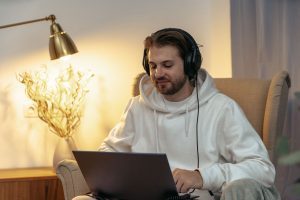
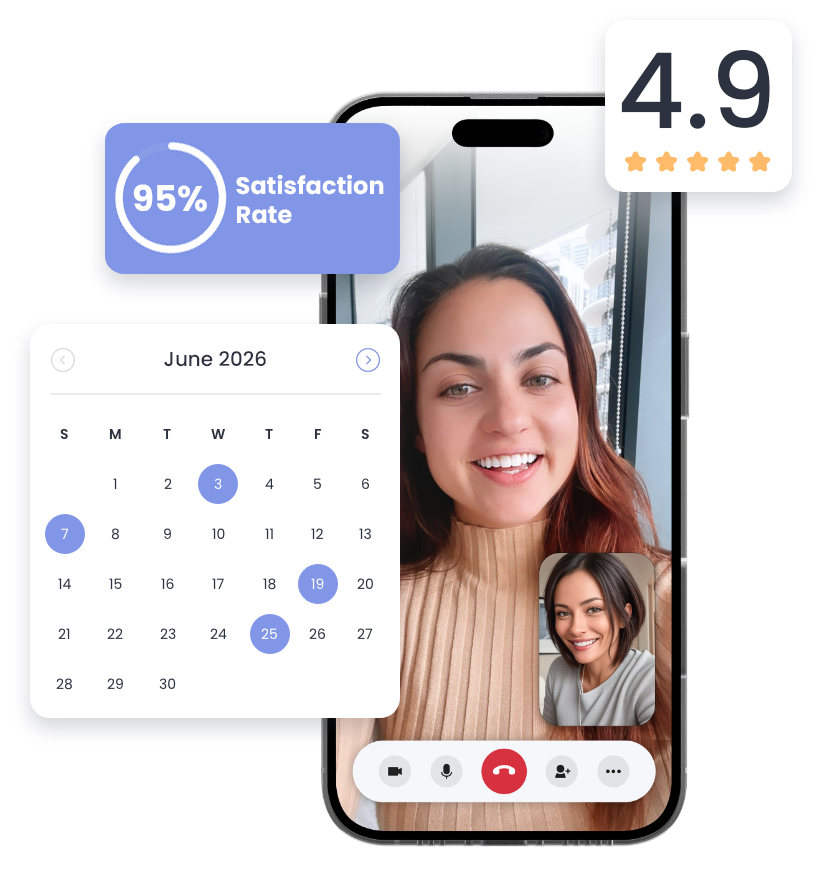
Online hypnotherapy lets you work from the place you already feel safest Many clients relax faster at home because there is no waiting room, no commute stress, and no need to appear put together for an office. That early ease can deepen the focused state. You gain access to a larger pool of trained practitioners. Geography no longer limits you to whoever happens to practice nearby. If you want someone experienced with specific patterns such as everyday stress responses, sleep habits, or habit change, online expands the options. Consistency rises because sessions fit around work, family, or travel. Skipping an appointment becomes harder when the only requirement is a quiet corner and a device. Recorded portions of sessions often become take-home tools that reinforce the work between meetings. People with mobility limits, caregiving duties, or social discomfort about leaving the house find online especially practical. Technical issues can arise, yet most resolve quickly with basic preparation: wired headphones, a stable connection, and a door that closes. Skilled practitioners watch facial expressions and breathing on video and adjust in real time. At Joymind, 95% of clients who complete a program report improvement¹. With 10,000+ clients and a 4.9-star average Google rating across 800+ reviews, the virtual format continues to support steady engagement for many Joymind clients.When Might In-Person Hypnotherapy Suit You Better?
Some people prefer the energy of sharing physical space. Subtle body language and presence can feel stronger face to face. If your home is noisy, shared, or hard to control, a quiet office removes those variables. Clients seeking added structure sometimes start in person, though many continue successfully online once trust is built. In-person sessions eliminate any risk of connection drops. They also suit those who struggle to focus on screens or who simply enjoy the ritual of traveling to a dedicated space. Cost and time for travel remain the main trade-offs. Availability shrinks if you live outside major centers. Neither format is inherently superior. The format that helps you show up regularly and feel safe supports better outcomes. Results vary.What Practical Factors Should You Weigh When Choosing?
Ask yourself a few direct questions.- Can I create a private, quiet space at home for 45 to 60 minutes without interruption?
- Does travel time or cost make regular appointments harder to keep?
- Do I feel more open and relaxed on video or sitting across from someone?
- Is finding a specialist who matches my specific goals more important than local proximity?
How Joymind Approaches Virtual Hypnotherapy
Joymind is the largest 1:1 virtual hypnotherapy platform in the US. Founded 2021, the platform works with 40+ certified hypnotherapists and has served 10,000+ clients through 40,000+ sessions delivered (private, 1:1, video) · 2.3M+ minutes. Sessions follow a clear structure of conversation about goals, guided relaxation, focused induction, tailored suggestions drawn from depth and positive psychology principles, and reflection with take-home tools. Clients match with specialists based on personality and needs. A rematch option exists if the first pairing does not feel right. Programs often run on a 90-day framework that builds consistency so new patterns can take root. The approach emphasizes the 88% subconscious / 12% conscious framework³ as a helpful map for understanding how habits and responses form. With a 4.9-star average Google rating across 800+ reviews and 1000+ reviews across Google, Trustpilot & BBB · A+ BBB accredited, the focus stays on personal growth, healthier habits, and greater self-awareness from the comfort of home. Book a free consultation to match with a specialist and begin online hypnotherapy that works with your schedule. Joymind provides coaching and hypnotherapy support for personal development, habit change, and emotional wellness. Joymind hypnotherapists are not licensed physicians, psychiatrists, or psychologists, and our services are not a substitute for medical or mental-health care. If you are experiencing a medical or mental-health condition, please consult a qualified licensed professional. Individual experiences vary.Frequently Asked Questions
Yes for most people. Research and practitioner reports show comparable support for everyday stress responses and habit change when the practitioner is experienced and the client engages. The focused state does not require physical proximity. Home comfort often helps people enter relaxation more readily. Results still depend on regular practice and a good match with the guide. Results vary.
A device with a camera and microphone, stable internet, and a quiet private space. Headphones improve sound quality and reduce distractions. Sit or lie comfortably where you will not be interrupted. Most platforms use common secure video tools. Test the connection a few minutes early so technical issues do not cut into session time.
Many practitioners support hybrid approaches. You can begin online for convenience or in person to build initial rapport, then adjust. The key is the ongoing relationship and the work itself. Consistency across sessions produces stronger results than the specific format on any single day.
People without any private space, those who strongly prefer face-to-face interaction, or individuals who find screens uncomfortable may do better starting in an office. If internet access is unreliable, in-person removes those barriers. A free consultation helps clarify fit.
If you value flexibility, feel reasonably comfortable on video, and can create a quiet corner for the session length, online is often a strong match. It expands specialist options and supports regular attendance. Review your current lifestyle, privacy needs, and goals. The format that lets you show up consistently is the one most likely to help. Results vary.
Read Also
- Virtual Hypnotherapy: How Effective is Online Hypnosis?
- How Virtual Hypnotherapy Works: A Complete Guide
- Best Virtual Hypnotherapy In 2026
- How To Compare Virtual Hypnotherapy Options Effectively
- How Hypnotherapy Works With The Subconscious Mind
¹ Based on internal 2025 data from clients who completed a Joymind program, submitted a pre-program intake form, and attended a post-program vision session. Clients rated the severity of their main concern before and after the program on a scale of 1 to 10. This figure reflects the percentage of respondents who reported any reduction in severity.
³ The 88% subconscious / 12% conscious-critical mind framework is based on the Kappas Theory of Mind.
Joymind hypnotherapists and coaches are not licensed physicians, psychiatrists, or psychologists and do not diagnose, prescribe, or treat medical or mental health conditions. Joymind’s services are intended to support personal growth and well-being and are not a substitute for medical or mental health care.
If you are in a life-threatening situation or crisis, do not use this site. Call 911 or 988 for immediate help.