Hypnosis is a state. Hypnotherapy is a process that uses it. Hypnosis is the relaxed, focused state of attention itself. Hypnotherapy is a guided process in which a trained practitioner helps you enter that state and then works with you in it toward a goal you’ve chosen, using suggestion, imagery and dialogue.
The two words are often used as if they meant the same thing, and it’s easy to see why: there’s no hypnotherapy without hypnosis. But there’s plenty of hypnosis without hypnotherapy, on stage and in self-hypnosis recordings. Joymind’s 45+ certified hypnotherapists work with clients in live, one-on-one video sessions, and Joymind has delivered more than 40,000 of them since 2021. Here’s how the two differ, and which one fits what you’re looking for.
Key takeaways
- Hypnosis is a relaxed, focused state of attention. Hypnotherapy is a guided process that uses that state toward a goal you choose.
- Every hypnotherapy session includes hypnosis, but not all hypnosis is hypnotherapy.
- Stage hypnosis is entertainment. Self-hypnosis is hypnosis you guide yourself, often with a recording.
- In hypnotherapy, a trained practitioner shapes the work around your goals and your history.
- In both, you stay aware and in control.
What is hypnosis?
Hypnosis is a relaxed, focused state of attention. Your body settles, your attention narrows, and the part of your mind that analyzes and second-guesses steps back. You stay aware throughout: you can hear what’s going on, speak, move or stop at any time. Hypnosis isn’t sleep, unconsciousness or mind control. It’s closer to the absorbed focus of being deep in a good book or on a long drive.
On its own, hypnosis has no particular purpose. It’s a state, and what happens in it depends on how it’s used and by whom. For what it’s like from the inside, see What Does Hypnosis Feel Like?
What is hypnotherapy?
Hypnotherapy is a guided process in which a trained practitioner helps you enter hypnosis and then works with you in that state toward a goal you’ve chosen, such as feeling calmer, changing a habit or building confidence. The practitioner uses suggestion, imagery and dialogue, and tailors each session to you and what you want to change.
At Joymind, a session typically moves through three phases:
- Reveal: finding the pattern or belief underneath what brought you in.
- Resolve: working with it through suggestion and imagery while you’re in hypnosis.
- Reinforce: strengthening the new pattern so it holds between sessions and after the program ends.
Each hypnotherapist has their own approach, so the details vary. Hypnotherapy also usually happens over a series of sessions rather than once, with each session building on the last. At Joymind, the most common program is 90 days.
What’s the difference between hypnosis and hypnotherapy?
Hypnosis is the state. Hypnotherapy is the structured, goal-directed work done in that state with a trained practitioner.
| Hypnosis | Hypnotherapy |
|---|---|
| What it is | |
| A relaxed, focused state of attention | A guided process that uses that state |
| Purpose | |
| None on its own. It depends on how it’s used | A goal you choose, such as feeling calmer or changing a habit |
| Who guides it | |
| A hypnotist, a hypnotherapist, a recording or you | A trained practitioner, such as a certified hypnotherapist (CHt) |
| Structure | |
| Can be a one-off experience | Usually a series of sessions, each building on the last |
| Personalization | |
| Varies | Tailored to you and your goals |
Hypnosis is one part of a hypnotherapy session, not the whole of it. Talking through what you want, and how things have gone since your last session, is usually part of the work too. That’s why every hypnotherapy session includes hypnosis, but not all hypnosis is hypnotherapy.
Where do stage hypnosis and self-hypnosis fit?
Both use hypnosis, and neither is hypnotherapy.
Stage hypnosis is entertainment. It relies on volunteers who are willing to perform in front of an audience, and its aim is a good show. It’s also where most of the myths about losing control come from. For more, see Is Hypnosis Real? Myths And Facts.
Self-hypnosis is hypnosis you guide yourself, often with an app or a recording. It can be a useful, low-cost way to try hypnosis, especially if you’re self-motivated or your goal is well served by a general recording. What it doesn’t include is a live practitioner who knows your story and adjusts the work session by session. For a closer comparison, see Self-Hypnosis vs. Working With a Certified Hypnotherapist.
Is a hypnotist the same as a hypnotherapist?
Not quite, and the difference mirrors the one between hypnosis and hypnotherapy. A hypnotist guides people into hypnosis, sometimes for entertainment. A hypnotherapist uses hypnosis within a structured process toward a goal the client has chosen. For a full comparison, including training, see Hypnotist Vs Hypnotherapist: What’s The Difference?
Do you need hypnotherapy, or is hypnosis enough?
It depends on what you’re after. If you’re curious about hypnosis or want to relax with it on your own, self-hypnosis may be enough. If you have a specific goal, you’ve tried recordings without lasting change, or you want someone who knows your story and adjusts the work as you go, that’s what hypnotherapy is designed for.
How does hypnotherapy work at Joymind?
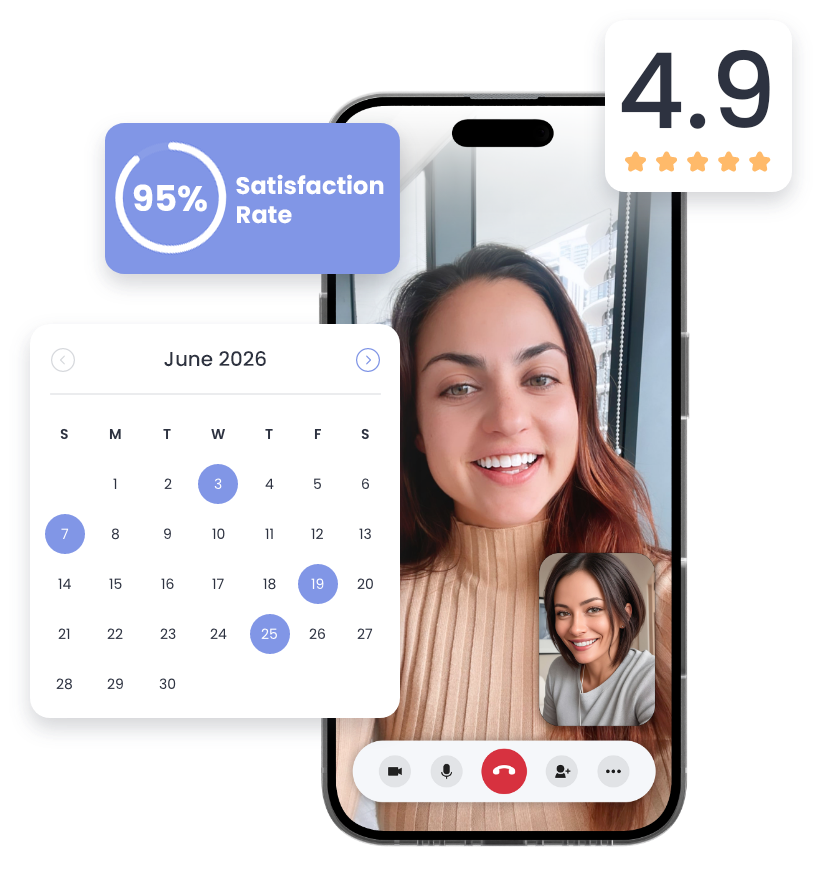
At Joymind, hypnotherapy happens in live, private, one-on-one video sessions with a certified hypnotherapist, from home. It starts with a free consultation, a phone call with a Joymind Program Expert. You’re then matched with one of 45+ certified hypnotherapists based on your goals, schedule and personality. Your first session runs 80 minutes and includes hypnosis. Sessions after that run 50 minutes, and every session is recorded so you can listen again between sessions. If the first match isn’t right, Joymind offers one free rematch within the same price tier after your first session. For more, see How Online Hypnotherapy Works and What to Expect From Your Free Consultation and First Hypnotherapy Session.
Frequently asked questions
Frequently Asked Questions
No. Hypnosis is a relaxed, focused state of attention. Hypnotherapy is a guided process in which a trained practitioner uses that state to work with you toward a goal you choose.
Yes. Stage hypnosis and self-hypnosis both use hypnosis without being hypnotherapy. Hypnotherapy adds a trained practitioner, a goal you choose and a structured series of sessions.
No. Self-hypnosis is hypnosis you guide yourself, often with an app or recording. Hypnotherapy is guided live by a trained practitioner who shapes the work around you.
Yes. You stay aware throughout and can speak, move or stop at any time. Hypnosis isn’t sleep, unconsciousness or mind control.
You meet live over video with your certified hypnotherapist. Your first session runs 80 minutes and includes hypnosis. Later sessions run 50 minutes, and every session is recorded so you can listen again.
Ready to start?
The first step is the free consultation, a phone call to see whether Joymind fits what you’re looking for. Book a free consultation →Read Also
- What Does Hypnosis Feel Like?
- Hypnotist Vs Hypnotherapist: What’s The Difference?
- Is Hypnosis Real? Myths And Facts
- Self-Hypnosis vs. Working With a Certified Hypnotherapist
- Hypnotherapy Vs. Meditation Vs. Coaching: What’s The Difference?
³ The 88% subconscious / 12% conscious-critical mind framework is based on the Kappas Theory of Mind.
Joymind hypnotherapists and coaches are not licensed physicians, psychiatrists, or psychologists and do not diagnose, prescribe, or treat medical or mental health conditions. Joymind’s services are intended to support personal growth and well-being and are not a substitute for medical or mental health care.
If you are in a life-threatening situation or crisis, do not use this site. Call 911 or 988 for immediate help.