Key Takeaways
|
Many people begin exploring virtual hypnotherapy after reviewing key questions about the process. This helps set clear expectations before moving forward with an online approach. Virtual hypnotherapy, or online hypnosis, has grown in popularity because it allows people to connect with a certified hypnotherapist without leaving home. The format focuses on guiding attention inward while the client remains in a comfortable, private setting.
Joymind is a US-based virtual hypnotherapy platform founded in 2021. Our certified hypnotherapists support clients in most US states with personalized 90-day programs.
Virtual sessions offer flexible access to personalized support for navigating everyday stress, building confidence, and developing new habits, all from the comfort of home. Interest in the best hypnotherapy for habit change continues to grow as more people explore supportive approaches to shifts in mindset and daily routines. The growth of the best virtual hypnotherapy platforms has expanded access to convenient professional support focused on personal development helping individuals unlock your potential with hypnotherapy.
Everyday at Joymind we are asked the question, “Is this really going to work if it’s done online?”, so this topic is worth taking a deeper look at. Spoiler alert, the answer is *yes*, it can work, and it may even work better than going to a hypnotherapist in real life!
You see, therapeutic viability has never been as commonplace as it is today, so it comes as no surprise that hypnosis would eventually make its insurgence in the online world. Seeking hypnotherapy services in person often appear more intimate, but it is far more costly, significantly more inconvenient and takes up an increasingly large amount of calendar space in our already busy schedules, especially when we’ve decided to commit to real change. Not to mention, it can be awkward to sit in an unfamiliar environment across from a stranger in such a vulnerable way. Our lives today move incredibly fast and thus, for many of us, time and resources are limited. This creates constraints when wanting to overcome personal obstacles in a sensible but effective way – which is why virtual hypnotherapy is so ideal for the average, working person.
In working with your hypnotherapist from the comfort of your own home, you’re in the driver seat. There are no nerves involved in sitting across from an unfamiliar person and pouring your heart out, you have that added boundary of separation. There is no unease involved in getting comfortable in a sterile office setting that you’ve never been in before, you’re in your safe space. There is no commute, no sitting in traffic, no fitting your emotional well-being into an already hectic, jam-packed calendar, you meet when is best for you. The virtual way is the best way, in every way.
Joymind was born with the primary intent to extended the gift of hypnosis to as many people as possible in the most convenient, accessible and cost-effective way. The mission is rather simple; we want to bring quality care to you, instead of making you get up & seek quality care. The virtual platform makes seeking hypnotherapy services from top specialists and healing remotely a far more intelligible choice. You are no longer limited by the options within your immediate proximity, you have access to the best of the best, right from the comfort of your couch. The internet offers so many fruitful ways to administer and receive credible help, so why not take advantage of it?
Does Online Hypnosis Work According To Research?
Yes. Studies on remote hypnosis find that people can enter a focused, receptive state through a screen when the session is live and the guidance is clear.
The Mayo Clinic notes that during hypnosis most people feel calm and relaxed and remain in control of their behavior. That description matches what clients report in virtual sessions aas well. The format changes the room. It does not change the basic mental skill: following a voice, settling the body, and working with imagery and suggestion.
Research on hypnotizability has compared in-person and online presentation. Findings generally show that the delivery path (a room versus a video call) is not the main driver of responsiveness. Openness, attention, and the quality of the guidance matter more. It describes how the mind can respond to hypnosis. It does not prove a specific result for any one person.
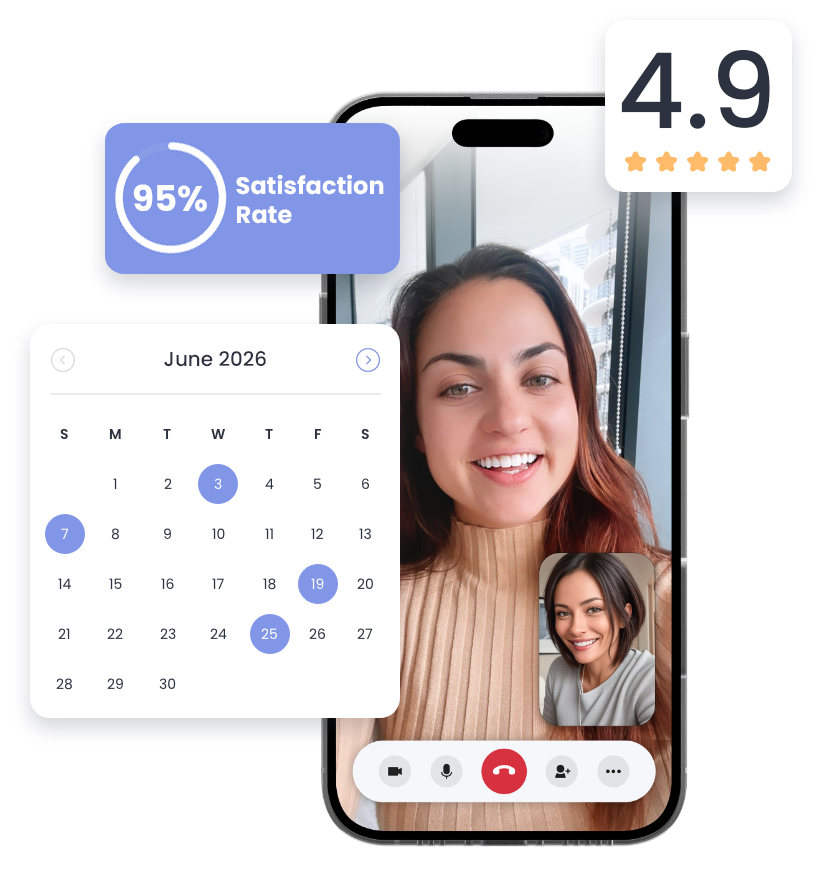
Across 40,000+ sessions delivered (private, 1:1, video), Joymind practitioners consistently see the same early signs when a session is working: a calmer reaction, a pause before an old habit, or an easier wind-down at night. Those shifts are often small at first. Results vary. A structured program gives the mind time to rehearse new responses in daily life, which is where change has to hold. At Joymind, 95% of clients who complete a program report improvement¹.
Can You Be Hypnotized Through A Screen?
Yes. If you can follow a calm voice with your eyes closed, you can work this way online.
Hypnosis is focused attention plus imagination. It is closer to being absorbed in a story than to sleep. Your ears do most of the work. A screen is only the delivery path for that voice and a way for the certified hypnotherapist to stay present with you.
A few facts help cut through the myth:
- You do not need to be in the same room for suggestion to land.
- You stay aware. You can open your eyes and talk at any point.
- The certified hypnotherapist watches breath, face, and small signals through video, then adjusts.
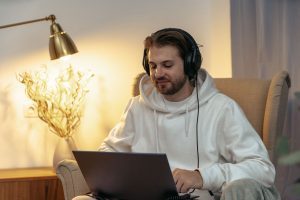
- Headphones often make the voice feel closer than it would across an office.
Some people worry they will miss hypnosis because a laptop feels ordinary. The opposite is common. Home already feels familiar. The nervous system spends less energy scanning a new room. That extra ease can make it simpler to drop into focus.
The best virtual setups keep the tech simple: a private room, a reliable link, and a comfortable seat or place to lie down. The camera can sit a little off to the side once the guided portion starts. You do not have to stare at yourself.
Not everyone responds at the same speed. That is normal in any format. Openness helps. So does trust in the person guiding the session. Matching style and personality is part of why personal growth work online can feel surprisingly close, even with miles between the two chairs.
If the call freezes, you notice the silence. You wait, reconnect, and continue. The focused state is not fragile glass. It is a skill the mind can re-enter.
Online Hypnotherapy Vs In-Person: Which Is More Effective?
For most personal-growth goals, online hypnotherapy and in-person hypnosis use the same tools. The difference is the setting, not the method.
Relaxation. Imagery. Repeated suggestions. Research on remote delivery points to comparable responsiveness when the work is live and guided. Some people even settle faster at home. Others prefer the ritual of leaving the house. Neither preference makes the other format fake.
Here is how the two formats usually compare:
- Comfort. Home can lower social tension. An office can feel more official. Both can support focus.
- Access. Online work removes travel and opens a wider pool of certified hypnotherapists. In-person work is limited to who practices nearby.
- Privacy. A closed door at home can feel safer for sensitive topics. An office keeps home life fully separate.
- Consistency. Fewer canceled sessions often means steadier progress. That matters more than the furniture.
- Tech. Online work needs a stable connection. In-person work needs travel time and a quiet wait before you walk back into your day.
In-person can still be the better fit when someone wants a complete break from home, has no private space, or feels more grounded face to face. Online is often the better fit when schedule, distance, or nerves about a new office get in the way of showing up.
Effectiveness tracks these conditions more than the walls:
- the quality of the guidance
- how well the certified hypnotherapist and client fit
- a clear goal
- enough repetition for new patterns to stick
A longer container is built around repetition. One isolated session rarely tells the full story in either setting.
The practical test is simple. Can you relax enough to follow the voice? Can you keep appointments? Can you apply what comes up in ordinary moments? If those answers are yes, the format is doing its job.
What Is Holistic Hypnotherapy?
Holistic hypnotherapy uses guided relaxation and focused attention to access the subconscious mind. In this calm state, you become more open to positive suggestions and new perspectives. Unlike standard talk-based methods that stay mostly in conscious discussion, this approach works directly with the deeper patterns that influence thoughts, feelings, and behaviors.
Certified hypnotherapists combine hypnosis with elements that honor the whole person, such as visualization, breathing techniques, and awareness of body sensations. The goal is to support balance across mental, emotional, and physical levels. Sessions feel supportive and empowering.
Many individuals report feeling more in control after just a few sessions because the work targets the automatic responses they want to shift. This makes holistic hypnotherapy a practical choice for people ready for meaningful progress.
How Does Holistic Hypnotherapy Work?
The process begins with a relaxed state where everyday distractions fade. A certified hypnotherapist then uses clear language, imagery, and repetition to help reframe old beliefs and habits. You stay aware and in charge the entire time, so there is never any loss of control.
During sessions, the mind becomes receptive to new ideas that align with your goals. Over time these suggestions can support stronger pathways for calmer responses, healthier choices, and greater self-confidence. Recordings of sessions often allow you to reinforce the work at home between appointments.
The holistic side adds attention to how emotions show up in the body and how daily life connects to inner patterns. This complete view supports changes that feel natural and sustainable.
Common Issues That Respond Well To Holistic Hypnotherapy
People turn to this method for a wide range of concerns that affect daily life. Many clients seek support for stress management, habit change, sleep patterns, and relationship dynamics. It is also commonly used for working through specific fears, mindset shifts for wellness goals, and performance in work or personal activities.
The subconscious focus makes it especially useful for patterns that feel stuck despite conscious effort. Many notice improvements in emotional regulation and clearer decision-making after addressing underlying beliefs. The approach works well alongside other wellness practices.
Sessions adapt to individual needs, so the experience stays personal and relevant. This flexibility explains why holistic hypnotherapy appeals to those seeking targeted yet gentle support.
Techniques Used In Holistic Hypnotherapy
Certified hypnotherapists often start with progressive relaxation to ease the body and mind into a focused state. They may follow with visualization exercises that picture successful outcomes or safe inner spaces. Some incorporate simple breathing patterns or gentle body awareness to deepen the connection between mind and physical sensations.
Reframing plays a key role, turning limiting self-talk into supportive inner dialogue. Affirmations delivered in the relaxed state help embed these new messages more effectively than repeating them while fully alert. Personalized scripts address specific goals, and many programs include tools for daily reinforcement. The combination creates a complete toolkit that feels both professional and approachable.
What To Expect During A Holistic Hypnotherapy Session
Your first meeting usually involves a conversation about your goals and any questions you have. The actual hypnosis portion lasts about twenty to forty minutes, depending on the plan. You sit or lie comfortably while the certified hypnotherapist speaks in a calm, steady voice.
Most people describe the feeling as deeply relaxed yet fully aware, similar to daydreaming with purpose. Afterward you discuss what came up and receive simple steps to practice at home. Progress builds with consistency, so regular sessions help strengthen the gains.
The experience stays private and judgment-free, allowing you to explore sensitive topics safely. Many leave sessions feeling lighter and more optimistic about their next steps.
How Virtual Hypnotherapy Supports Subconscious Pattern Work
Virtual hypnotherapy creates a focused state where the conscious mind can step back. This allows more direct attention to deeper patterns that influence daily reactions and choices. The certified hypnotherapist’s voice guides the process while the client stays in familiar surroundings.
That contained focus often helps people identify root patterns more clearly. Many notice the experience feels private because external distractions remain outside the session space. Virtual delivery keeps the emphasis on internal shifts rather than the physical setting.
Certified hypnotherapists trained in depth approaches use this window to gently reframe old associations. The process tends to feel personal because the client remains an active participant. Short pauses for reflection or gentle redirection help the mind absorb new perspectives at its own pace.
Typical Structure Of A Virtual Hypnotherapy Session
A hypnotherapy session usually begins with a brief conversation. The certified hypnotherapist asks about current goals and any shifts since the previous meeting. This part stays conversational and helps set the direction for the guided portion.
Next comes the induction phase. The certified hypnotherapist uses steady pacing and descriptive language to invite relaxation. Most people describe a pleasant sense of heaviness or calm focus. The body stays supported while the mind follows the guidance.
The main portion of the session follows. Here the certified hypnotherapist introduces suggestions or explorations tied to the client’s stated goals. The client hears everything and can respond internally or with small signals. The session ends with a gentle return to full alertness and a short review of what stood out.
Clients often receive a recording of the session. Listening again later can help reinforce the ideas introduced during the live time. The whole flow typically lasts around 45 to 60 minutes, depending on the focus that day.
How Virtual Hypnotherapy Can Support Different Personal Goals
People working with persistent worry often find the private setting supports steady progress with anxiety patterns. The format lets the certified hypnotherapist tailor language to the exact triggers that appear in daily life. Many report the work carries over more smoothly because the session happens inside their regular environment.
Those working on weight-related goals sometimes pair the process with attention to emotional triggers around food and self-image. Virtual hypnotherapy programs give space to examine habits without the added layer of traveling to an office. The same approach applies to individuals addressing smoking patterns or other unwanted routines. The subconscious associations tied to the habit receive direct attention while the client stays comfortable.
Fears and phobias are areas many people find helpful to explore when the certified hypnotherapist can guide visualization from a safe base. Relationship issues and intimacy concerns also appear frequently in virtual work. The client controls the physical space, which can lower the barrier to discussing sensitive material. Sleep difficulties and performance blocks follow similar paths. The certified hypnotherapist matches the approach to the specific goal rather than using a single script.
Creating A Comfortable Environment For Virtual Sessions
A consistent spot helps the mind associate the area with focused time. Good natural or soft lighting keeps the video connection clear for both sides. A stable internet signal helps prevent breaks in the flow during key moments.
Headphones can sharpen the certified hypnotherapist’s voice and reduce outside sounds. Comfortable clothing and supported posture let the body relax without strain. Some people prefer a blanket or eye mask once the guided part begins. The goal remains simple: create conditions where attention can stay inward with minimal interruption.
Certified hypnotherapists usually confirm the setup works before the deeper work starts. Small adjustments early in the relationship make later sessions smoother. The client stays in control of the physical details from start to finish.
Building Momentum Between Virtual Sessions
Progress often shows up between meetings as small shifts in reaction or mood. Noticing these changes helps the next session build directly on what already moved. Many clients keep a brief note of moments when old patterns felt less automatic.
Listening to session recordings supports this carryover. The voice and suggestions stay available on demand. Over weeks the new associations tend to strengthen through repetition and real-life application.
When goals involve multiple areas, certified hypnotherapists may adjust focus gradually. One session might emphasize one theme while the next integrates another. The flexible structure lets the work follow the client’s pace rather than a fixed calendar. This steady layering supports changes that hold up once the formal program ends.
Discover Joymind
Joymind is a supportive platform dedicated to personal growth, mindset transformation, and emotional well-being.
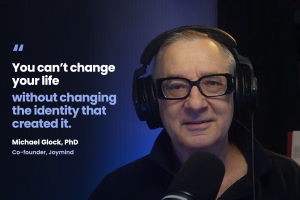
Founded by Rochelle and Michael, Joymind was created for those who have tried many paths but still feel something is missing. We focus on the power of the subconscious mind to support positive change.
Our Approach
We blend guided hypnotherapy sessions with coaching, neuro-linguistic programming, and principles from positive and depth psychology.
Sessions are personalized and conveniently offered from the comfort of your home.
We match you with a specialist who best fits your needs and personality.
Areas We Support
Our sessions are designed to help you:
- Build healthier habits for weight, sleep, and daily wellness
- Enhance confidence, focus, and personal development
Our Mission
We are committed to empowering you to unlock your inner strength and create greater peace, joy, and fulfillment in your life.
Ready to start your journey toward positive change?
Frequently Asked Questions
The connection centers on voice, pacing, and shared attention rather than physical proximity. Many clients report the bond forms quickly because the focus stays on their inner experience. The certified hypnotherapist still tracks tone, pauses, and subtle responses through the video link.
A quiet room, reliable video connection, and comfortable seating usually cover the main needs. Headphones help some people block minor background noise. Testing the link a few minutes early removes last-minute technical concerns.
The depth of the work depends more on the certified hypnotherapist’s skill and the client’s openness than on the delivery method. Virtual sessions can support access to similar subconscious levels addressed in other settings. The private environment sometimes makes it easier to stay present with sensitive material.
Programs often run in structured blocks that allow time for integration between meetings. The exact number varies with the goal and individual response. Certified hypnotherapists review progress regularly and adjust the plan as needed.
Matching usually starts with a short intake that covers goals, preferences, and any prior experience. The platform then aligns the client with a certified hypnotherapist whose background fits those details. A rematch option exists in many programs if the first fit does not feel right.
Recordings let clients revisit the guided portions on their own schedule. Repeated listening reinforces the suggestions and keeps the momentum going between appointments. Many people use them during quiet moments to stay connected to the work.
For many people, yes. The mind responds to language, pacing, and focused attention. Those pieces travel through a speaker the same way they travel across a room. Comfort, trust, and regular practice shape the result more than the address of the session. Results vary.
Most people who can focus on a voice can be hypnotized online. A small number find home too distracting, or they prefer sitting with someone in person. Willingness and a quiet space matter more than a special talent.
No. A live session is two-way. The certified hypnotherapist hears you, watches how you respond, and changes the work in the moment. A recording can support practice later. It does not replace that live exchange.
No. Hypnosis is a focused state, not a shutdown. You hear the words. You can reject a suggestion. You can stop. That stays true on video. The Mayo Clinic notes that people typically remain in control of their behavior during hypnosis.
It is a weaker fit during a life-threatening crisis, when a private room is not available, or when someone needs licensed medical or mental-health care. Joymind support is for personal growth, habits, and emotional wellness. It is not a substitute for emergency help.
Read Also
- Best Virtual Hypnotherapy In 2026
- How To Compare Virtual Hypnotherapy Options Effectively
- How Hypnotherapy Works With The Subconscious Mind
- Best Hypnotherapy For Habit Change
- Rewiring Identity: How Hypnotherapy Helps You Rewrite Your Story
Joymind provides coaching and hypnotherapy support for personal development, habit change, and emotional wellness. Joymind hypnotherapists are not licensed physicians, psychiatrists, or psychologists, and our services are not a substitute for medical or mental-health care. If you are experiencing a medical or mental-health condition, please consult a qualified licensed professional. Individual experiences vary. |
¹ Based on internal 2025 data from clients who completed a Joymind program, submitted a pre-program intake form, and attended a post-program vision session. Clients rated the severity of their main concern before and after the program on a scale of 1 to 10. This figure reflects the percentage of respondents who reported any reduction in severity.
Joymind hypnotherapists and coaches are not licensed physicians, psychiatrists, or psychologists and do not diagnose, prescribe, or treat medical or mental health conditions. Joymind’s services are intended to support personal growth and well-being and are not a substitute for medical or mental health care.
If you are in a life-threatening situation or crisis, do not use this site. Call 911 or 988 for immediate help.