Key Takeaways
|
What Is Hypnosis Actually?
Hypnosis is a state of concentrated attention and reduced awareness of other things around you. You stay awake and aware. You can hear everything and stop at any time. It is not sleeping. It is more like getting lost in a good book or movie, only guided with purpose. A certified hypnotherapist uses calm words and images to help you focus. In this state, suggestions for new responses feel more natural. Your mind can practice calm, confidence, or different habits without the usual resistance. Across 40,000+ sessions delivered (private, 1:1, video) · 2.3M+ minutes, Joymind practitioners consistently see clients settle into this focused state and leave feeling more in control of everyday patterns. Most people can experience some level of this focused state. Willingness and trust matter more than any special power. The process remains collaborative. The practitioner offers ideas. The client accepts what fits. This is why shifts feel natural rather than forced.What Are The Common Myths About Hypnosis?
Movies and stage shows spread wrong ideas. Here are the biggest myths and the facts behind them. Myth: Hypnosis is mind control. Fact: You stay in control the whole time. You can reject any suggestion that feels wrong. People do not do things against their values. The sense of control depends on your own expectations and goals. Myth: Hypnosis is a special trance or sleep. Fact: It is focused attention, not a unique unconscious state. People can respond to suggestions while staying fully alert. Brain studies find changes in attention networks, not a complete switch to another mode of being. Myth: Only weak-minded people can be hypnotized. Fact: Strong focus and imagination help. Intelligence or strength of will do not block it. Adults with good concentration often do well. Myth: Hypnosis can make you reveal secrets or plant false memories. Fact: You decide what to share. Memory under hypnosis is not more accurate. Responsible practitioners avoid memory recovery claims for this reason. Myth: Hypnosis is fake or just people playing along. Fact: Brain imaging shows real changes that match what people report. When someone is guided to feel more at ease or picture something differently, the related brain areas respond in matching ways. These myths keep people from trying a tool that supports everyday personal growth.How Does Science Show Hypnosis Is Real?
Brain scans give clear indicators. Studies show shifts in attention networks during the focused state. Activity in areas that monitor everything tends to quiet. Links between control regions and body-awareness areas strengthen. Self-conscious chatter lessens. These patterns appear during guided focus in responsive people and match the experience of deeper concentration. Research suggests that focused attention may support calmer responses and steadier habits. The strongest observations involve everyday stress and personal goals rather than any single outcome. Results vary. Higher openness often brings clearer benefits. Combining the process with other supportive methods can encourage further progress. Safety remains high when guided by trained professionals. Joymind works with the 88% subconscious / 12% conscious framework³. About 88% of the mind operates below everyday awareness, holding automatic habits and emotional responses. The focused state helps suggestions reach that deeper layer more easily.How Does Hypnosis Work In Everyday Practice?
The process usually has four simple stages. First comes induction: calm breathing and focus on a voice or image. Next is deepening: the attention settles further. Then come the suggestions: new ways of thinking, feeling, or acting. Finally, the person returns to ordinary awareness, often feeling refreshed. During this time, attention narrows. Outside distractions fade. The body often shows lower heart rate, slower breathing, and reduced muscle tension. Suggestions for ease can quiet everyday stress responses. Suggestions for confidence can help new patterns take root. Self-guided hypnosis practice is possible after learning the skills. Many people use short recordings between sessions. The effects build with practice because the mind learns the new patterns. Virtual sessions work well for most people because the key element is the guided attention, not the physical room.Who Responds Best And What Can You Expect?
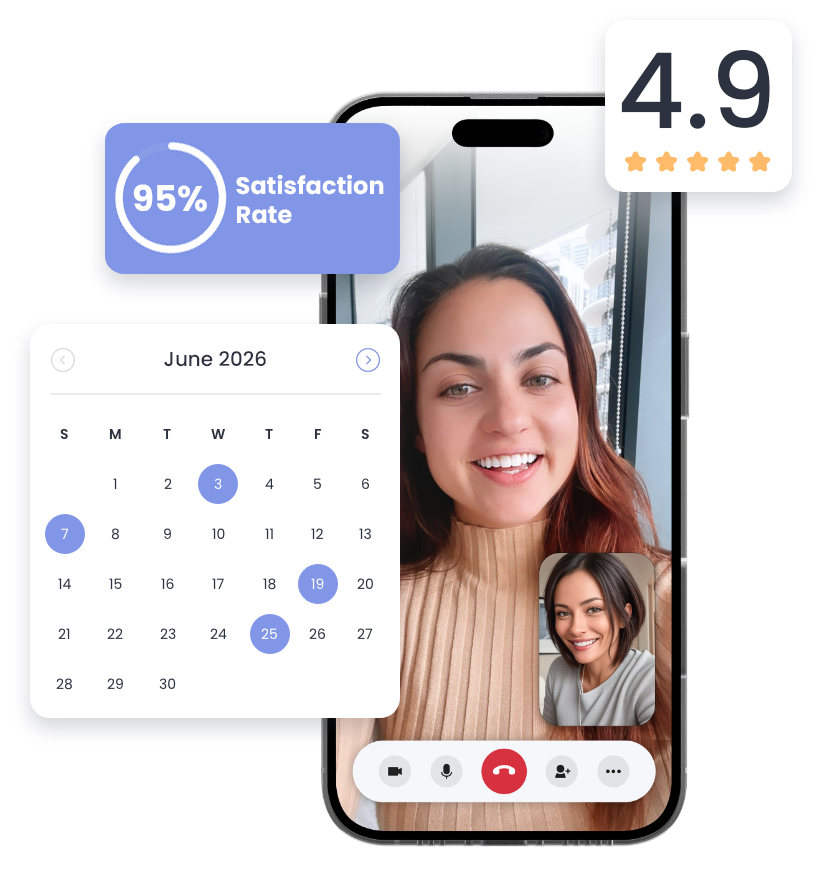
Almost anyone who wants to try can experience some benefit. People who score higher on simple focus tests often notice clearer effects. Motivation helps more than anything else. Expectation of progress also supports results. A typical session lasts 45 to 60 minutes. The first meeting often includes discussion of goals and a short experience of the focused state. Later sessions build specific suggestions for the client’s needs. At Joymind, 95% of clients who complete a program report improvement¹. People seeking support for confidence, focus, motivation, healthier habits, or a calmer mind often find the process helpful. Results vary. The approach stays collaborative and respectful of personal control. Joymind pairs clients with one of 40+ certified hypnotherapists for private virtual sessions. The platform holds a 4.9-star average Google rating across 800+ reviews and 1000+ reviews across Google, Trustpilot & BBB · A+ BBB accredited. In 2026 Joymind earned a place on the Inc. 5000 as No. 785 fastest-growing private company in America and No. 100 in Florida. The focus stays on matching each person with the right guide so the work feels personal and practical. Start your free consultation today and experience how focused hypnosis can support the changes you want. Joymind provides coaching and hypnotherapy support for personal development, habit change, and emotional wellness. Joymind hypnotherapists are not licensed physicians, psychiatrists, or psychologists, and our services are not a substitute for medical or mental-health care. If you are experiencing a medical or mental-health condition, please consult a qualified licensed professional. Individual experiences vary.Frequently Asked Questions
Hypnosis is a real shift in attention and brain activity. Imagination plays a role, just as it does in learning any new skill. Brain scans confirm distinct patterns during the process. The experience feels different from ordinary daydreaming because the focus is guided and purposeful.
Yes. The focused state helps quiet racing thoughts and practice calmer responses. Many people notice benefits after a small number of sessions when the work targets their specific goals. Results vary.
Television and stage shows emphasize spectacle and rapid commands for entertainment. Guided sessions move at a respectful pace, stay private, and focus only on the client’s goals. You remain aware and in charge. The practitioner acts as a guide, not a controller.
Most people remember everything or nearly everything. Some details may feel dream-like, but full amnesia is rare and usually only occurs if specifically suggested and accepted. You can ask for a full recall if that feels important.
Client experience and practical observation show virtual sessions produce similar depth for most goals. The key elements are the guided attention and the relationship with the practitioner. A quiet space and good connection are enough. Many people prefer the comfort of their own home.
Read Also
- How Hypnotherapy Works With The Subconscious Mind
- How Your Brain Actually Changes: The Science Behind Joymind Hypnosis
- Virtual Hypnotherapy: How Effective Is Online Hypnosis?
- Benefits Of Hypnotherapy
- What Is Hypnotherapy? A Comprehensive Guide For Beginners
¹ Based on internal 2025 data from clients who completed a Joymind program, submitted a pre-program intake form, and attended a post-program vision session. Clients rated the severity of their main concern before and after the program on a scale of 1 to 10. This figure reflects the percentage of respondents who reported any reduction in severity.
³ The 88% subconscious / 12% conscious-critical mind framework is based on the Kappas Theory of Mind.
Joymind hypnotherapists and coaches are not licensed physicians, psychiatrists, or psychologists and do not diagnose, prescribe, or treat medical or mental health conditions. Joymind’s services are intended to support personal growth and well-being and are not a substitute for medical or mental health care.
If you are in a life-threatening situation or crisis, do not use this site. Call 911 or 988 for immediate help.