We’ve all been trained to ask, What’s wrong with me?
But what if the real question is, What wants to grow within me?
That’s the shift modern psychology has been making — from repairing damage to building potential. And it’s exactly where Joymind’s work in hypnotherapy lives: at the crossroads of science, psychology, and human flourishing.
From Fixing Problems to Building Potential
Traditional therapy often focuses on diagnosing and treating what’s broken. Positive psychology, pioneered by Martin Seligman, offers another lens — one that asks: What helps people thrive?
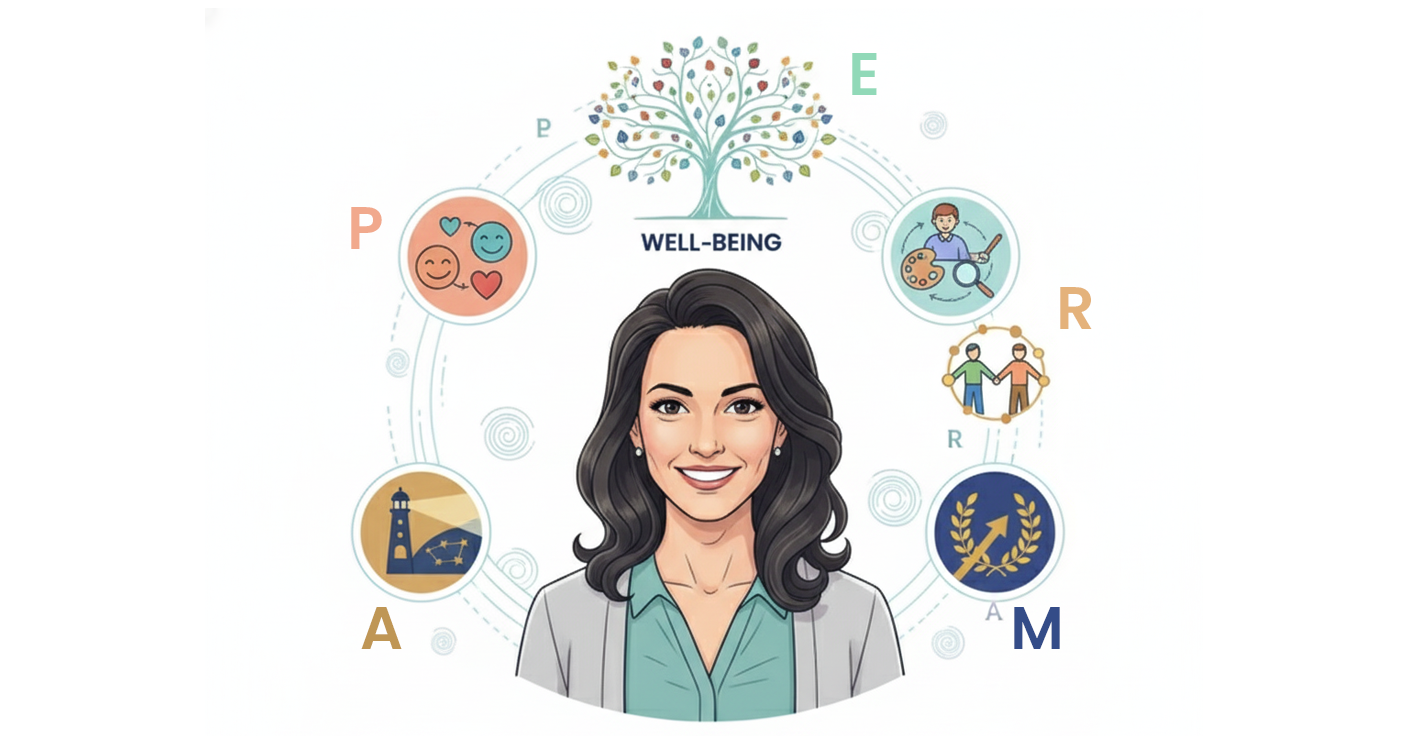
Seligman’s model of PERMA defines five key building blocks of well-being:
P – Positive Emotion
E – Engagement
R – Relationships
M – Meaning
A – Accomplishment
Each represents a measurable aspect of flourishing. The more we activate these areas, the more fulfilled and resilient we become.
At Joymind, we take this a step further — by using hypnosis to reprogram the subconscious patterns that support each of these five domains. If PERMA gives us what to build, hypnosis provides how to build it.
The Science of Flourishing
Research from Seligman and his colleagues at the Positive Psychology Center shows that the correlation between PERMA and overall life satisfaction is extremely high — nearly one-to-one (r = .98). In other words, when these five elements are active, we naturally experience a state of well-being.
But conscious intention alone isn’t always enough to sustain change. That’s where hypnosis comes in. It helps bridge the gap between insight and embodiment — transforming ideas about well-being into lived experience.
Benefits of Hypnosis for Psychological Well-Being and Flourishing
Hypnosis supports psychological well-being by working directly with the subconscious patterns that shape daily feelings and responses. Many people notice shifts in emotional balance when new suggestions reach the deeper mind during a relaxed, focused state.
The process relies on the brain’s natural ability to form fresh pathways. Guided relaxation quiets surface thoughts. Positive imagery and suggestions then plant ideas of calm, safety, and inner strength. Over time these become more automatic. Clients often report greater ease in everyday situations that once felt heavy.
Virtual hypnosis sessions make this work accessible from home while keeping the person fully aware and in control. The same sessions can help soften stress patterns that drain energy and limit joy. When stress responses ease, space opens for more positive emotional states to appear naturally.
A structured approach such as the Joymind 3-Step Breakthrough Method helps organize the change. Discovery identifies the patterns that hold well-being back. Intervention introduces new emotional experiences through visualization and anchoring. Reinforcement turns those experiences into lasting habits through daily practice and custom recordings.
People who explore hypnosis for everyday stress often notice improvements that spread beyond the original concern. Sleep becomes more restful. Focus sharpens. A sense of personal growth grows stronger. These shifts support the larger experience of flourishing, where positive emotion, connection, and purpose feel more available in ordinary life.
The subconscious mind stores early emotional learning. When those old recordings update, the whole system tends to move toward greater balance and resilience. This is why many find that consistent hypnosis contributes to a steadier sense of well-being that holds up under daily pressures.
Why Hypnosis Works So Powerfully
Hypnosis is often misunderstood as mind control or stage trickery. In truth, it’s one of the most natural and scientifically grounded methods for accessing the subconscious — the layer of mind that governs habits, emotions, and automatic responses.
Through guided relaxation, visualization, and positive suggestion, hypnosis allows new neural pathways to form. This isn’t “woo-woo.” It’s neuroplasticity — the brain’s proven ability to rewire itself through focused attention and emotional experience.
At Joymind, our 3-Step Breakthrough Method — Discovery → Intervention → Reinforcement — systematically uses hypnotherapy to unlock these subconscious mechanisms. Each phase corresponds beautifully to a pillar of PERMA.
Let’s explore how each one can be activated.
P – Positive Emotion
When your mind is trapped in threat mode — stress, worry, survival — joy and gratitude feel far away. Hypnosis helps the brain shift from the fight-or-flight state into one of calm receptivity.
Using guided imagery, we evoke emotions like gratitude, hope, and safety. You might visualize a peaceful place or recall a moment of love. The subconscious doesn’t distinguish between imagination and reality — so feeling good in hypnosis trains your nervous system to feel good in life.
“When you feel it now, you’re wiring it for tomorrow.”
E – Engagement
Engagement is about flow — that magical state when you’re fully absorbed in what you’re doing and time disappears.
Hypnosis can train the mind to enter that state on command. We use cues and anchors (like a simple breath or gesture) that help you access deep focus whenever you need it — in your creative work, leadership, or daily life.
“Turn the tap of your attention and let the river of focus carry you.”
How Hypnosis Helps You Enter Flow States for Greater Engagement
Flow is the state of full absorption in an activity where time fades and effort feels light. Hypnosis trains the mind to reach that state more readily by linking focused attention with physical cues.
During a session the person learns to recall past moments of deep concentration. Those memories become vivid again through guided imagery. A simple gesture or breath then becomes an anchor that can bring the same quality of focus back later. The subconscious begins to treat the anchor as a reliable signal for clear, steady attention.
This training supports the engagement pillar of well-being. When the mind can settle quickly into a task, creative work, leadership roles, and everyday responsibilities feel more rewarding. Distraction loses some of its power.
Understanding how hypnosis works with the subconscious mind explains why the relaxed state makes these links form so efficiently. Surface analysis steps aside. New associations take root with less resistance. Repeated practice strengthens them until the flow response becomes more natural.
Many professionals and creatives use these anchors before important work periods. The result is longer stretches of productive absorption and less mental fatigue afterward. Over weeks the brain learns that focused states are available on demand rather than something that appears only by chance.
Anchoring also pairs well with the reinforcement phase of structured programs. Daily use of the cue keeps the pathway active between sessions and helps the new habit settle into ordinary routines.
R – Relationships
Many people carry unconscious scripts like “I don’t belong” or “I’m unlovable.” These early imprints quietly shape every relationship.
Hypnotherapy helps rewrite those inner narratives. By accessing emotional memories beneath the surface, clients learn to reconnect with trust, empathy, and authenticity.
Healthy relationships are not built from effort alone — they’re built from subconscious safety. Hypnosis creates that safety at the root.
“Connection is a portal to thriving — and hypnosis helps open it.”
Using Hypnosis to Improve Relationships and Emotional Connection
Healthy relationships rest on a sense of safety and belonging that often lives below conscious awareness. Hypnosis reaches those deeper layers and updates the scripts that shape how people connect.
Early experiences can leave quiet messages such as “I do not belong” or “closeness is unsafe.” These messages influence tone of voice, choice of partners, and reactions during conflict. In a focused hypnotic state those messages become accessible. New experiences of trust, empathy, and authentic expression can then replace them.
Hypnosis sessions focused on relationship patterns show how hypnosis can help release old emotional residue and plant healthier responses. Visualization lets the person rehearse calm, open communication. Anchors make those feelings easier to recall in real conversations. Self-worth strengthens, which improves the ability to set boundaries and stay present with others.
The process often begins with discovering the specific subconscious stories that limit connection. Intervention then creates corrective emotional experiences. Reinforcement carries the new sense of safety into daily interactions through practice and audio support.
People who address relationship patterns this way frequently notice easier conversations, greater patience, and a reduced tendency to pull away or escalate. The change starts inside and radiates outward. When one person feels more secure at the root, the quality of the relationship itself tends to rise.
Virtual sessions allow this work to happen in a private, comfortable setting. The same methods support personal development goals that feed back into better relating, creating a quiet upward cycle of connection and emotional ease.
M – Meaning
Meaning gives life direction and coherence. Yet in our overstimulated world, purpose often gets lost in noise.
Through timeline therapy and deep visualization, hypnosis bypasses the conscious chatter and helps you reconnect to your deepest values. Clients often describe it as remembering who they truly are.
“When your why is loud enough, your how finds you.”
A – Accomplishment
Accomplishment is less about external trophies and more about the internal sense of mastery — knowing you’re growing into your potential.
Hypnosis addresses the inner blocks that sabotage progress: imposter syndrome, procrastination, fear of failure. Through mental rehearsal, clients experience success in the mind’s theater before it plays out in reality.
“Mastery begins in the mind before it manifests in the world.”
How Joymind Brings It All Together
At Joymind, we blend positive psychology, depth hypnosis, and emotional intelligence into a single transformative process.
Here’s how a typical well-being session unfolds:
Discovery — Identify which PERMA domain is underdeveloped (for example, low Engagement or lack of Meaning).
Intervention — Enter hypnosis and visualize thriving in that domain. Anchor the new state with a physical cue like pressing a fingertip or taking a deep, intentional breath.
Reinforcement — Apply that anchor in daily life, then reflect and adjust weekly as the new habits become natural.
Over time, these practices build what we call “psychological muscle memory.” You begin to default to calm, focus, connection, and confidence — because your subconscious has learned those states.
A Real-World Example
A Joymind client — a creative director — came to us feeling numb and disconnected from their purpose. After mapping their PERMA profile, we found two weak spots: Positive Emotion and Engagement.
Through three hypnosis sessions focused on flow states and gratitude, the client began noticing joy returning to their work. Within weeks, relationships improved and a new sense of purpose emerged.
This domino effect — one domain lifting the others — is exactly why the PERMA + Hypnosis model is so powerful.
The Takeaway
PERMA gives us the architecture of flourishing.
Hypnosis provides the tools to build it into the subconscious.
Together, they create a self-reinforcing loop of growth, joy, and resilience.
Well-being isn’t about fixing what’s wrong. It’s about activating what’s already right within you — and letting it expand.
Your Invitation
If you’ve done the work of “getting better,” and now want to flourish, it’s time to experience Joymind.
Join thousands who’ve discovered how hypnosis can reprogram stress, reignite passion, and rebuild meaning from the inside out.
✨ Try Joymind’s Free Consultation — explore your personal PERMA map, meet your hypnotherapist, and experience the first shift toward real flourishing.
Your mind is not just to be managed — it’s to be harnessed.
Let’s build the architecture of your well-being together.
Frequently Asked Questions
Hypnosis creates a relaxed and focused state that lets the subconscious mind receive new ideas about calm, safety, and positive emotion more readily. Guided imagery and suggestions help shift automatic stress responses so everyday pressures feel lighter. This process supports the building blocks of flourishing by making feelings of gratitude, hope, and inner steadiness more available in daily life. Over repeated sessions the brain forms fresh pathways that favor balanced emotional habits. Many people notice that everyday pressures feel lighter once these deeper patterns update.
Yes. Hypnosis trains the mind to enter states of full absorption by linking past moments of deep focus with simple physical anchors such as a breath or gesture. Once the link is set, the same quality of attention can return more easily during creative tasks, leadership work, or personal projects. This strengthens the engagement side of well-being so time spent on meaningful activities feels more natural and rewarding. The subconscious begins treating focused attention as a familiar and accessible response rather than something that appears only by chance. Consistent practice with these anchors keeps the pathway active between sessions.
Hypnosis reaches the quiet subconscious scripts that shape how people connect, including early messages about belonging or safety. In a focused state those old recordings can be updated with new experiences of trust, empathy, and authentic expression. Visualization lets a person rehearse calmer communication and a stronger sense of personal worth. The result often shows up as greater patience, clearer boundaries, and a reduced tendency to pull away or escalate during conflict. When the root sense of safety grows, the quality of everyday interactions tends to rise as well. Work focused on relationship patterns through hypnosis supports this deeper shift.
New patterns take hold through repetition and daily reinforcement. Sessions that include physical anchors, visualization, and custom recordings help the fresh responses become more automatic over time. The brain’s capacity for change allows these updates to settle into ordinary routines when they are practiced consistently. Structured approaches such as the Joymind 3-Step Breakthrough Method organize discovery, intervention, and ongoing practice so the gains continue outside the session itself. Lasting shifts appear when the new emotional habits are lived regularly rather than treated as one-time events.
People who have already addressed basic stress or tension and now want to grow positive emotion, deeper engagement, stronger connection, clearer purpose, or a steady sense of accomplishment often respond well. The approach works with anyone open to exploring inner patterns in a relaxed state while remaining fully aware and in control. Those seeking greater resilience and everyday fulfillment find that updating subconscious responses supports a broader sense of thriving. Virtual formats make the process accessible while matching individual needs with certified guidance. The focus stays on activating what already exists within rather than fixing what feels broken.
Read Also
- Best Hypnotherapy for Stress
- How Hypnotherapy Works with the Subconscious Mind
- Overcome Relationship with Hypnotherapy
- Unleashing Your Potential: The Joymind 3-Step Breakthrough Method & Its Powerful Tools
- Best Virtual Hypnotherapy
Joymind provides coaching and hypnotherapy support for personal development, habit change, and emotional wellness. Joymind hypnotherapists are not licensed physicians, psychiatrists, or psychologists, and our services are not a substitute for medical or mental-health care. If you are experiencing a medical or mental-health condition, please consult a qualified licensed professional. Individual experiences vary. |