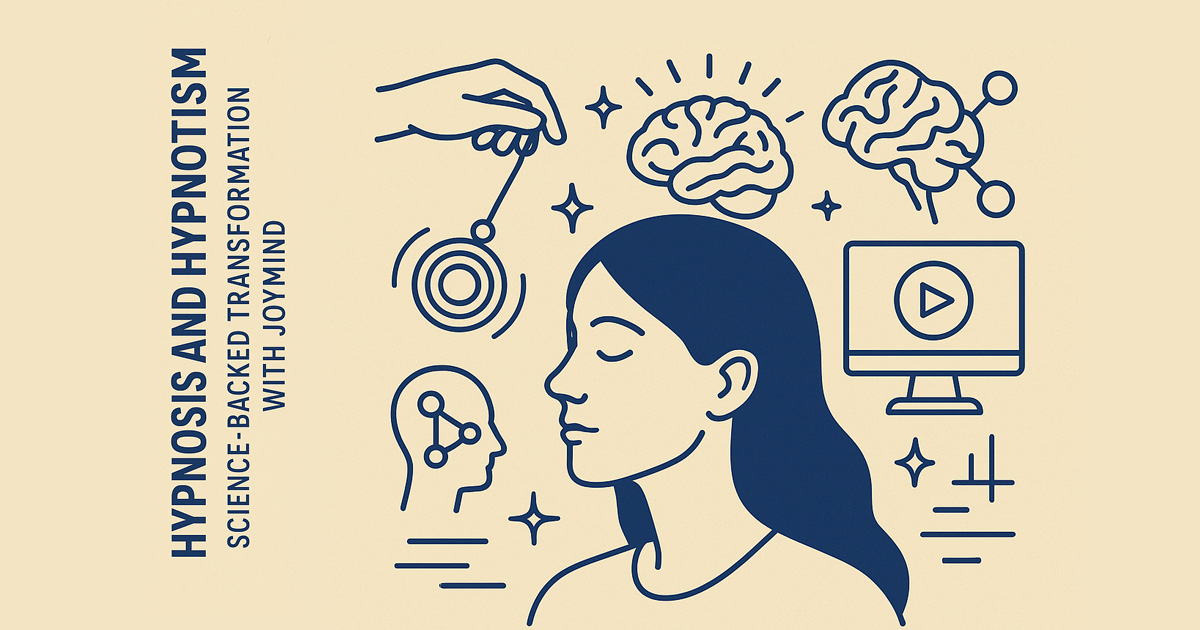
Hypnosis and Hypnotism: Science-Backed Transformation with Joymind
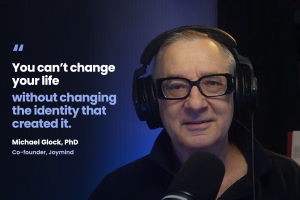
By Dr. Michael Glock
Founder, Joymind – The Largest Clinical Hypnotherapy Platform in the Americas
The terms hypnosis and hypnotism still conjure images of swinging watches or theatrical stunts. But today, a growing body of clinical evidence and brain-based research is elevating hypnosis into a legitimate tool for mental and emotional transformation.
At Joymind, we offer clinical and medical hypnotherapy delivered by specialists trained in neuroscience, trauma healing, and behavior change. With thousands of successful outcomes, Joymind’s model of care shows how hypnosis and hypnotism are tools of precision—not persuasion.
Hypnosis vs. Hypnotism: What’s the Difference?
Hypnosis refers to a natural, altered state of consciousness characterized by focused attention and increased receptivity to suggestion. You likely experience similar states during deep daydreaming, reading, or losing yourself in music.
Hypnotism, by contrast, is the practice of inducing this state. It can be used for entertainment or, more powerfully, for therapeutic healing. At Joymind, hypnotism is clinical, grounded in science—not spectacle.
Common Myths About Hypnosis And Hypnotism Debunked By Science
Movies and stage shows often show hypnosis as mind control or a deep sleep. Real guided hypnosis looks different. Science and brain studies show a focused state of attention where people stay aware and in charge of their choices.
One widespread myth claims that people under hypnosis lose all control. In practice, the person remains fully conscious. They can accept or reject any suggestion. The mind stays active and protective of personal values.
Another myth says hypnosis equals sleep. Brain activity during hypnosis differs from sleep patterns. People hear the guide’s voice and remember the session afterward. Many describe it as similar to deep daydreaming or becoming absorbed in a book.
Some believe only weak-minded people respond to hypnotism. Research points the other way. Strong focus and imagination often make the process easier. Most people can enter the state with a skilled guide.
A final common claim holds that hypnosis can force hidden memories or actions against someone’s will. Guided work stays collaborative. The person directs the focus. No one can implant ideas that go against core beliefs.
These myths come from entertainment. Approaches rooted in neuroscience use focused attention to support change in habits, emotions, and self-stories. Joymind matches clients with certified hypnotherapists for support with everyday stress and feeling more relaxed, showing how the process stays grounded and respectful of personal control.
What Happens in the Brain During Hypnosis?
Recent research confirms that hypnosis involves observable brain changes—especially in the default mode network (DMN), which governs self-talk, memory, and identity. A 2017 systematic review of fMRI studies found consistent functional changes in the DMN during hypnosis, including reduced activity in the medial prefrontal cortex and increased connectivity between the executive and salience networks (Jiang, H., et all., 2017).
These changes make it easier for people to:
- Let go of rigid self-narratives.
- Regulate emotions more effectively.
- Create new mental habits at the neural level.
In short, hypnosis makes the mind more pliable—opening space for constructive transformation.
Is Guided Hypnosis Safe? Possible Temporary Sensations And What Research Shows
Guided hypnosis ranks as a low-risk approach when led by trained professionals. The state of focused attention feels natural to most people. It resembles moments of deep concentration that happen every day.
Temporary feelings stay rare and mild when they appear. Some people notice brief dizziness, a light headache, or temporary tiredness after a session. These feelings usually pass quickly. A few report short-lived emotional shifts as old patterns surface and settle.
Certain conditions call for extra care. People with severe thought disorders or active psychosis may not suit this approach. Qualified guides screen for these situations and adjust or pause as needed.
Safety improves with clear communication. Clients stay able to speak, move, or end the session at any moment. The guide acts as a facilitator, not a controller. This shared process builds trust and keeps the experience steady.
Scientific reviews describe guided hypnosis as a complementary approach that pairs well with other forms of personal support. It helps support feeling calmer and shifting habits without adding strong physical effects. Specialists help keep the work steady for people working through past experiences.
Emotional Regulation and Emotional Imagination
In my chapter in Jungian and Interdisciplinary Analyses of Emotions (Brodersen, Meier, & Musso, 2025), I describe how hypnotherapy taps into emotional imagination, an embodied faculty that mirrors emotional experiences through symbols and imagery. This capacity is supported by mirror neuron systems, allowing imagined experience to neurologically mimic lived experience.
Clinical hypnosis amplifies this system, helping individuals regulate internal emotional states and re-script trauma narratives. Through guided trance, clients visualize alternative realities—thus reinforcing neurological changes in their perception, mood, and identity.
Hypnotherapy Works: The Clinical Evidence
Hypnosis is now an accepted intervention across numerous health domains. Studies show statistically significant improvements in:
- Anxiety and PTSD
- Smoking cessation
- Weight and eating disorders
- Chronic pain and insomnia
- Trauma recovery
- Emotional regulation and confidence
- Addiction and compulsive behavior
In a pioneering study on eating disorders, Barabasz (2007) demonstrated that self-hypnosis helped bulimic patients reduce symptoms with long-term success. The study showed that hypnosis enhances internal control and restructures the client’s sense of agency—key factors in sustainable recovery.
Additionally, brain-based studies have shown that hypnotizability correlates with specific neural signatures. For instance, Hoeft et al. (2012) found that highly hypnotizable individuals exhibit distinct patterns in the anterior cingulate cortex and other areas linked to attention, inhibition, and self-awareness.
What Hypnosis and Hypnotism Are Good For
At Joymind, clients seek hypnotherapy for many life-changing reasons. Hypnosis has proven effective for:
- Stress and anxiety relief
- Deep, restorative sleep
- Emotional eating and weight loss
- Trauma and grief resolution
- Smoking and addiction recovery
- Self-confidence and public speaking
- Procrastination and performance blocks
- Pain management and autoimmune conditions
Explore more at https://joymind.com
What Does A Hypnosis Session Feel Like? A Step-By-Step Guide
A typical session begins with conversation. The certified hypnotherapist and client discuss goals, current challenges, and any questions. This builds comfort and sets a clear direction.
Next comes the induction. The guide uses calm language and simple images. Breathing slows. Muscles relax. Attention narrows in a gentle way. Most people feel peaceful yet alert, much like drifting into a focused daydream.
Deepening follows. The sense of calm grows. Outside sounds fade into the background. The mind stays open to helpful ideas and mental pictures. Clients often notice a pleasant heaviness or lightness in the body.
During the middle of the session the guide offers suggestions matched to the person’s goals. These may involve new ways to respond to stress, fresh self-images, or calm responses to old triggers. Visualization plays a large role. The brain responds to vivid mental scenes in ways that support real change.
The session ends with a gradual return to full awareness. The guide counts or uses simple cues. Clients open their eyes feeling rested and clear. Many report a sense of lightness or quiet confidence that lasts beyond the hour.
Virtual hypnosis follows the same flow. People sit in their own space and connect through video. The experience remains private and effective. Sessions that support better sleep habits or habit change often include custom recordings for later practice. Certified hypnotherapists available through Joymind’s matching process tailor each step to individual needs.
Your Life Is a Story—But You Can Reframe the Script
Many of us live within unconscious narratives that were shaped by early experiences, traumas, or inherited beliefs. Narrative therapy helps people identify these patterns and rewrite them (White & Epston, 1990).
But as Galen Strawson (2004) argued, we are not obligated to live inside a fixed life story. Identity is fluid and multi-selved. Hypnosis provides direct access to the “narrative engine room”—a space where core beliefs and habits can be gently edited.
This is where hypnotherapy transcends talk therapy: by immersing the client in emotionally rich, imaginal landscapes, hypnosis allows symbolic shifts to become lived ones (Brodersen et al., 2025).
The Joymind 3-Step Breakthrough Method
Our proprietary method combines narrative depth with neuroscience:
1. Insight Activation
Uncover limiting beliefs and unconscious patterns that drive behavior.
2. Trance Repatterning
Using guided clinical hypnosis, rewire your inner story through suggestion, NLP, and visualization.
3. Daily Reinforcement
Custom audio recordings and brain-training tools reinforce the new story until it becomes second nature.
Meet Our Experts
Our Joymind specialists include licensed hypnotherapists, psychologists, trauma-informed coaches, and certified clinical professionals. Each one is trained in neuroscience-based transformation, offering individualized care for people at all stages of life.
Whether you’re healing from heartbreak, preparing for a major decision, or simply seeking emotional clarity—Joymind meets you at the threshold of your next chapter.
Final Thoughts: Hypnosis and Hypnotism Are Evolving
Hypnosis and hypnotism have entered the era of neuroscience and clinical integration. Far from fringe, hypnotherapy is now recognized as a powerful, measurable, and replicable practice for personal transformation.
At Joymind, we help you shed old stories and install new scripts—ones aligned with your healing, creativity, and purpose.
References
Barabasz, M. (2007). Efficacy of hypnotherapy in the treatment of eating disorders. International Journal of Clinical and Experimental Hypnosis, 55(3), 318–335. https://doi.org/10.1080/00207140701338688
Brodersen, E., Meier, C. A., & Musso, C. (Eds.). (2025). Jungian and interdisciplinary analyses of emotions: Method and imagery (Vol. 1, Part 1, Ch. 3: A Frontline Report by M. Glock). Routledge. https://tinyurl.com/hypnosisandhypnotism
Hoeft, F., Gabrieli, J. D. E., Whitfield-Gabrieli, S., Haas, B. W., Bammer, R., Menon, V., & Spiegel, D. (2012). Functional brain basis of hypnotizability. Archives of General Psychiatry, 69(10), 1064–1072. https://doi.org/10.1001/archgenpsychiatry.2011.2190
Jiang, H., White, M. P., Greicius, M. D., Waelde, L. C., & Spiegel, D. (2017). Brain Activity and Functional Connectivity Associated with Hypnosis. Cerebral cortex (New York, N.Y. : 1991), 27(8), 4083–4093. https://pmc.ncbi.nlm.nih.gov/articles/PMC6248753/
Strawson, G. (2004). Against narrativity. Ratio, 17(4), 428–452. https://doi.org/10.1111/j.1467-9329.2004.00264.x
White, M., & Epston, D. (1990). Narrative means to therapeutic ends. Norton & Company. https://amzn.to/3TGShZ0
Frequently Asked Questions
Hypnosis describes a natural state of focused attention and heightened receptivity that people experience in everyday moments like deep concentration or daydreaming. Hypnotism is the set of methods used to guide someone into that state for a specific purpose. In professional settings the process draws on brain research showing shifts in networks that handle self-talk and emotion. This distinction helps separate supportive work from stage entertainment and supports approaches that reframe inner stories through guided imagery and suggestion.
Most people stay fully aware and recall the entire experience afterward. The focused state narrows attention while leaving consciousness intact, similar to becoming absorbed in a meaningful conversation or piece of music. Clients often notice calm body sensations and clear mental images during the process. These details remain accessible once the session ends, allowing the new patterns to integrate into daily life.
The focused state ends naturally or with simple cues from the guide. People return to ordinary awareness on their own if the session is interrupted. Guided hypnosis views the experience as a temporary shift in attention rather than a fixed condition. This understanding removes fear and keeps the experience collaborative and safe for those seeking support with feeling more at ease or shifting habits.
Most people can enter a focused state to some degree when guided by a trained specialist. Factors such as motivation, trust, and openness to imagery support stronger results. Brain studies show that the process may help reduce rigid self-narratives and support new mental habits. Joymind matches clients with certified hypnotherapists trained in neuroscience-informed approaches, creating conditions where individual differences still allow meaningful progress.
Stage performances aim at entertainment and dramatic effects for an audience. Professional sessions stay private and goal-oriented, using focused attention to support feeling calmer, narrative reframing, and lasting change. The scientific approach draws on observable brain activity and emotional imagination rather than spectacle. Specialists guide the process while the individual remains in control of every suggestion and outcome.
Read Also
- How Guided Hypnosis Can Support Everyday Stress And Feeling More Relaxed
- Does Guided Hypnosis Help With Feeling More At Ease?
- Best Online Hypnosis Sessions For Everyday Stress
- Guided Hypnosis For Social Confidence: Supportive Techniques
- Beyond The Buzzwords: The Science Of Executive Burnout (And Why Your Instinct To “Push Through” Is Costing You)
Joymind provides coaching and hypnotherapy support for personal development, habit change, and emotional wellness. Joymind hypnotherapists are not licensed physicians, psychiatrists, or psychologists, and our services are not a substitute for medical or mental-health care. If you are experiencing a medical or mental-health condition, please consult a qualified licensed professional. Individual experiences vary. |