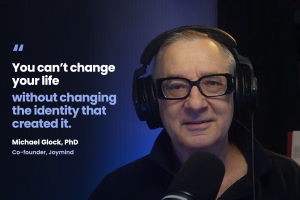
Reviewed by Michael Glock, PhD — Co-Founder, Joymind | Updated April 2026
Key Takeaways
|
Many people looking for clear explanations of how hypnotherapy works for stress and anxiety discover that this approach uses a guided process to reach a deeply relaxed yet focused state of awareness. In that state the subconscious mind becomes more open to supportive suggestions aimed at shifting automatic emotional patterns and responses.
Joymind is a US-based virtual hypnotherapy platform founded in 2021. Our certified hypnotherapists support clients in most US states with personalized 90-day programs.
Approaches focused on supporting emotional regulation and calmer responses often appear in wellness discussions because the method works with root patterns rather than surface symptoms alone. Research in hypnotherapy suggests that working with subconscious patterns may support shifts in how people respond to daily pressures over time. Client experiences shared on dedicated platforms frequently describe greater ease in managing overstimulation and recurring worry loops.
Virtual hypnotherapy formats have gained attention because they deliver comparable experiences to in-person work while allowing sessions from a familiar environment. The process emphasizes personal control throughout, with individuals remaining aware and able to guide or end the experience at any time.
Individuals looking for structured virtual hypnotherapy programs that focus on subconscious patterns and consistent reinforcement for emotional balance often begin with platforms built specifically around personalized hypnotherapy support.
Understanding Hypnotherapy Basics
Hypnotherapy creates an altered state of consciousness marked by heightened relaxation and selective focus. This state resembles moments of deep absorption, such as becoming fully engaged in a book or a calm daydream, yet it occurs under professional guidance with clear goals.
Unlike stage performances, hypnotherapy never involves loss of control or actions against a person’s will. Participants stay conscious, retain full memory of the session, and can accept or reject any suggestion offered. The conscious mind normally acts as a filter that questions new ideas. During hypnotherapy that filter softens temporarily, allowing positive suggestions and imagery to reach deeper levels where habits, beliefs, and emotional reactions form.
This distinction matters for stress and anxiety because many responses operate automatically from learned patterns stored below everyday awareness. By working at that level, the process aims to update those patterns with more adaptive ones over time.
How the Subconscious Mind Influences Stress and Anxiety Responses
Stress and anxiety often stem from automatic loops in the subconscious mind that trigger physical tension, racing thoughts, or avoidance behaviors before the conscious mind can intervene. These loops can develop from past experiences, repeated exposure to high-pressure situations, or long-held beliefs about safety and performance.
Hypnotherapy seeks to interrupt those loops by delivering tailored suggestions while the mind is in a receptive state. Imagery, statements, and feelings introduced during sessions can help the brain form new associations. Over repeated sessions, the brain’s natural adaptability supports the strengthening of calmer pathways.
A useful analogy compares the subconscious to an autopilot system. When that system runs outdated programming, small triggers produce outsized stress reactions. Hypnotherapy provides an opportunity to update the programming with responses better aligned to current goals for calm and resilience.
The Process: What Typically Happens in a Hypnotherapy Session
A standard hypnotherapy session follows a predictable flow designed to maintain safety and focus. It usually begins with a brief check-in where the individual and practitioner clarify current stressors and desired shifts in response patterns. This conversation helps tailor later suggestions.
Next comes the induction phase. The practitioner guides the person through breathing techniques, progressive muscle relaxation, or calming imagery to deepen relaxation while preserving awareness. Once a comfortable level of focus is reached, the focused suggestion phase takes place. Suggestions might involve visualizing successful handling of a stressful scenario, anchoring a physical sensation of calm, or reframing thoughts tied to worry as manageable signals rather than threats.
The session ends with a gentle return to full alertness, followed by reflection time. Many people report feeling refreshed and mentally clear afterward. Virtual sessions follow the same structure via video, requiring only a stable connection and a quiet, comfortable space at home. Because the person remains in control, sessions can be adjusted in real time if discomfort arises. This collaborative quality distinguishes the approach from passive relaxation methods.
Techniques Commonly Used to Support Calmer Responses
Practitioners draw from several techniques during sessions focused on everyday stress and worry:
- Guided imagery and visualization: Individuals mentally rehearse calm responses to triggers, strengthening pathways associated with composure.
- Progressive relaxation and breathing anchors: These build immediate tools for interrupting physical tension when stress rises outside sessions.
- Positive suggestion and reframing: Suggestions target specific patterns, such as viewing upcoming deadlines as opportunities for focused effort instead of overwhelming threats.
- Anchoring: A chosen physical cue, like touching two fingers together, becomes paired with a relaxed state so it can be used later for quick self-regulation.
Repetition across sessions reinforces these new associations. Some approaches blend elements of coaching to align conscious intentions with subconscious shifts.
Research Insights on Effectiveness for Stress and Anxiety Management
Research suggests that hypnotherapy may support calmer responses to everyday stress and worry. Some studies indicate potential benefits for promoting relaxation and shifting automatic patterns when used as part of a broader personal development approach. As with any personal development approach, outcomes vary from person to person based on individual openness, consistency, and the specific patterns being addressed.
Discover Joymind
Joymind is a supportive platform dedicated to personal growth, mindset transformation, and emotional well-being.
Founded by Rochelle and Michael, Joymind was created for those who have tried many paths but still feel something is missing. We focus on the power of the subconscious mind to support positive change.
Our Approach
We blend guided hypnotherapy sessions with coaching, neuro-linguistic programming, and principles from positive and depth psychology.
Sessions are personalized and conveniently offered from the comfort of your home.
We match you with a specialist who best fits your needs and personality.
Areas We Support
Our sessions are designed to help you:
- Build healthier habits for weight, sleep, and daily wellness
Our Mission
We are committed to empowering you to unlock your inner strength and create greater peace, joy, and fulfillment in your life.
Ready to start your journey toward positive change?
Frequently Asked Questions
Many people report initial relaxation benefits after the first or second session, while meaningful changes in automatic responses often emerge across four to eight meetings. Structured hypnotherapy programs spanning 90 days allow repetition that supports longer-term adjustments. Individual timelines vary with the complexity of patterns and consistency between sessions.
Research indicates comparable outcomes for most participants when the virtual environment supports focus and privacy. The same induction, suggestion, and reflection stages occur via video. Convenience of attending from home can even enhance relaxation for some individuals who feel more secure in familiar surroundings.
Yes. Many approaches integrate well with mindfulness, breathing exercises, or physical activity because they target complementary aspects of emotional regulation. Some recent explorations of mindful hypnotherapy show added benefits for distress reduction when elements are blended intentionally. Coordination with any existing support remains advisable.
Preparation involves choosing a quiet space with stable internet for virtual sessions, setting a clear intention about the responses one wants to shift, and arriving with an open but realistic mindset. Discussing specific triggers or goals briefly at the start helps the practitioner tailor suggestions. Avoiding heavy meals or caffeine right before the session can support deeper relaxation.
Individuals who respond well often feel curious about subconscious influences on their reactions and value a collaborative, non-directive style. Those seeking tools for everyday emotional balance rather than crisis intervention frequently describe good fit. A consultation helps clarify alignment before committing to a program.
Read Also
- Hypnosis Techniques for Stress Relief: A Step-by-Step Guide
- Harnessing the Power of the Mind: How Hypnotherapy Helps You Regain Control
- Hypnotherapy: A Pathway to Calmness, Relaxation, and Better Sleep
- Reimagining Hypnosis: Healing in an Anxious World
- Unlocking Your Potential with Positive Affirmations and Hypnotherapy
Joymind provides coaching and hypnotherapy support for personal development, habit change, and emotional wellness. Joymind hypnotherapists are not licensed physicians, psychiatrists, or psychologists, and our services are not a substitute for medical or mental-health care. If you are experiencing a medical or mental-health condition, please consult a qualified licensed professional. Individual experiences vary. |
Ready to take the next step toward supporting your personal growth and emotional wellness? Explore Joymind’s programs or book a consultation to see how virtual hypnotherapy can fit your goals.