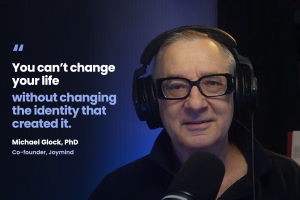
Reviewed by Michael Glock, PhD — Co-Founder, Joymind | Updated April 2026
Key Takeaways • Three main types of support exist: professional guidance sessions with a certified hypnotherapist, personal relaxation practices you can do at home, and guided audio recordings. • Many people combine these approaches. Hypnotherapy works best alongside good sleep hygiene and a consistent bedtime routine. • For chronic insomnia or persistent sleep concerns, please consult a licensed healthcare professional. Hypnotherapy can complement but does not replace medical care. |
If you lie awake at night with your mind racing, you know how frustrating restless nights can feel. Understanding the different types of support available is a useful first step. Hypnotherapy for sleep works with the subconscious patterns and habits that often keep the mind alert at bedtime. A systematic review by Chamine and colleagues (2018) examined 24 studies and found that more than half reported some benefit on sleep outcomes. The Sleep Foundation notes that early research suggests hypnosis has limited side effects and may help people with insomnia and other sleeping concerns. Individual experiences vary.
Joymind is a US-based virtual hypnotherapy platform founded in 2021. Our certified hypnotherapists support clients in most US states with personalized 90-day programs.
Many people explore variations such as professional guided sessions, self-hypnosis practices, or audio recordings to build calmer bedtime routines. At platforms like Joymind, certified hypnotherapists deliver personalized virtual support focused on mindset, habits, and emotional patterns.
Start your journey toward better rest with personalized support today. Visit Joymind.
How This Approach May Support Nighttime Rest
This approach uses a relaxed, focused state where the mind becomes more open to positive suggestions. In this state, a trained certified hypnotherapist helps work with unhelpful patterns around bedtime and replace them with calmer ones. For example, suggestions might encourage the body to release tension or help thoughts slow down naturally.
It focuses on subconscious patterns, habits, behaviors, and emotional responses many people experience, such as stress or racing thoughts that make falling asleep or staying asleep more difficult. This method may help build skills the mind can use on its own. Some people find it pairs well with other healthy habits, creating a more complete approach to nighttime rest.
The process feels natural and tends to be safe for most adults. You stay fully in control throughout, and many people describe feeling refreshed rather than groggy afterward. Professional virtual support makes these benefits accessible from the comfort of home.
Different Types Of Support For Nighttime Rest
Several forms of support exist, each suited to different preferences and needs. Understanding these options helps you choose what fits your lifestyle best.
Professional Guidance Sessions
Trained certified hypnotherapists guide you through personalized sessions, often virtually. They tailor suggestions to your specific patterns, such as difficulty falling asleep or waking during the night. This hands-on approach allows for real-time adjustments based on what you share. Many people appreciate the accountability and expert feedback that come with one-on-one guidance. Platforms that match you with certified hypnotherapists make this type convenient and accessible.
Personal Relaxation Practices
These practices involve learning simple techniques to enter a relaxed state on your own. You might use breathing exercises or gentle visualizations before bed. Once comfortable with the basics, you can deliver your own positive suggestions, like picturing a peaceful routine. This type gives you independence and can become part of your nightly wind-down. Some people combine it with recordings to stay on track.
Guided Recordings And Audio Tools
Pre-recorded sessions provide structured guidance you can listen to anytime. These often feature soothing voices, calming imagery, and supportive suggestions. Apps and audio programs make this option easy to try without scheduling. Many people use them as a starting point or alongside other support to reinforce positive bedtime associations.
Type Of Support | How It Works | Best For | Key Advantage |
Professional Guidance Sessions | Guided by a certified hypnotherapist with personalized suggestions | Those seeking tailored support for ongoing patterns | Expert customization and real-time feedback |
Personal Relaxation Practices | You learn and apply techniques independently | People who prefer daily independence at home | Builds long-term self-reliance |
Guided Recordings & Audio | Listen to pre-made sessions for relaxation and suggestions | Quick, convenient bedtime routines | Accessible anytime without appointments |
This comparison shows how each type offers value depending on your situation.
What To Expect In A Professional Guidance Session For Nighttime Rest
A typical session begins with a brief conversation about your bedtime patterns and goals. The certified hypnotherapist then guides you into relaxation using calming words, breathing cues, or imagery. Once focused, they introduce suggestions designed to support more comfortable rest at bedtime.
You remain aware and in control throughout. At the end, the certified hypnotherapist brings you back to full alertness feeling refreshed. Many people receive personalized recordings to listen to between sessions, reinforcing the work at home. Virtual options make this process seamless, with no travel required.
Follow-up sessions help track your experience and refine suggestions as needed. This structured support often leads to noticeable shifts in how you approach bedtime.
Simple Relaxation Techniques You Can Practice Tonight
You do not need advanced skills to try these techniques. Start in a quiet, comfortable spot where you can sit or lie down without interruption. Close your eyes and take slow, deep breaths. Focus on the feeling of air moving in and out.
Next, imagine a peaceful scene, such as a gentle stream or a soft cloud. Let your body grow heavier with each breath. When relaxed, repeat simple positive statements such as “My mind settles easily at night” or “I wake feeling rested and clear.” Keep the language positive and present.
After a few minutes, count slowly to five and open your eyes. Practice regularly to make it a habit. Many people find these short exercises create a reliable bedtime signal for the mind and body. Combine them with a consistent routine for stronger results.
Integrating Support Into Your Daily Rest Routine
This type of support tends to work best alongside practical habits. Keep a steady bedtime and wake time, even on weekends. Create a bedroom environment that feels cool, dark, and quiet. Avoid screens and heavy meals close to bed.
Some people use guided recordings or quick relaxation techniques right before lights out. Others schedule professional sessions during the day to address patterns that affect nighttime rest. Over time, these tools help the mind associate bed with calm rather than worry.
Lifestyle choices matter too. Light movement earlier in the day and mindful winding down in the evening support the changes you make through this approach.
When To Seek Other Support
Hypnotherapy is one supportive tool among many. The Sleep Foundation notes that hypnosis often works best alongside other approaches, and that cognitive behavioral therapy for insomnia (CBT-I) is the recommended first-line treatment for chronic insomnia. If your sleep concerns are persistent, severe, or linked to a medical condition such as sleep apnea, please consult a licensed healthcare professional. Hypnotherapy can complement, but does not replace, medical evaluation and care.
Why Joymind Is A Useful Option For Nighttime Rest Support
Joymind delivers expert virtual support through a network of certified hypnotherapists who understand patterns that keep many adults awake at night. The approach focuses on subconscious patterns, using personalized sessions that fit busy lives. Clients often receive custom recordings to continue the work at home between appointments.
The platform emphasizes a structured 90-day program that builds consistent progress. The reviews page features experiences from clients who described calmer nights after working with their certified hypnotherapists. Individual experiences vary.
Joymind also offers an easy booking option for a free consultation, where they match you with the right certified hypnotherapist.
Discover Joymind
Joymind is a supportive platform dedicated to personal growth, mindset transformation, and emotional well-being.
Founded by Rochelle and Michael, Joymind was created for those who have tried many paths but still feel something is missing. We focus on the power of the subconscious mind to support positive change.
Our Approach
We blend guided hypnotherapy sessions with coaching, neuro-linguistic programming, and principles from positive and depth psychology.
Sessions are personalized and conveniently offered from the comfort of your home.
We match you with a certified hypnotherapist who best fits your needs and personality.
Areas We Support
Our sessions are designed to help you:
- Work through feelings of overwhelm and inner tension
- Address deep-seated or limiting fears
- Navigate relationship challenges
- Address emotional patterns from past experiences
- Build healthier habits for weight, sleep, and daily wellness
- Enhance confidence, focus, and personal development
Our Mission
We are committed to empowering you to unlock your inner strength and create greater peace, joy, and fulfillment in your life.
Ready to start your journey toward positive change?
Choosing The Right Type Of Support For Your Needs
Consider your schedule and comfort level when selecting support. If you want direct guidance and accountability, professional sessions provide a strong foundation. For those who enjoy learning on their own, personal relaxation practices offer flexibility. Guided recordings work well as an easy entry point or daily supplement.
Many people start with one type and add others as they progress. Trust your response after a few sessions or practices. The goal stays the same: a quieter mind, easier rest, and more energy during the day.
Joymind provides coaching and hypnotherapy support for personal development, habit change, and emotional wellness. Joymind hypnotherapists are not licensed physicians, psychiatrists, or psychologists, and our services are not a substitute for medical or mental-health care. If you are experiencing a medical or mental-health condition, please consult a qualified licensed professional. Individual experiences vary. |
Ready to support improved rest with expert guidance? Visit Joymind today.
Frequently Asked Questions
This approach focuses on subconscious thoughts and habits rather than masking symptoms. It may help build skills you continue using long after sessions end. Many people prefer this natural approach because it works alongside other healthy habits and does not involve medication.
Yes, beginners often start with short guided recordings or simple breathing exercises. Consistent short practice helps the mind learn the routine quickly. Over time, you gain confidence to create your own suggestions tailored to your bedtime needs.
Professional guidance offers customization based on your unique situation, while recordings provide convenient daily support. Many people combine both for the benefits of structured expertise and flexible home practice.
This approach generally has a low risk of adverse effects for most adults when guided by trained, certified hypnotherapists. It serves as a complementary tool alongside healthy habits. If you have a diagnosed sleep disorder or any underlying medical concerns, please consult a licensed healthcare professional first.
Look for certified hypnotherapists who offer personalized attention and convenient access. Check for options that include follow-up tools such as recordings. Platforms with strong matching systems and consistent positive feedback help support a good fit for your goals.