Neuroplasticity, also known as brain plasticity
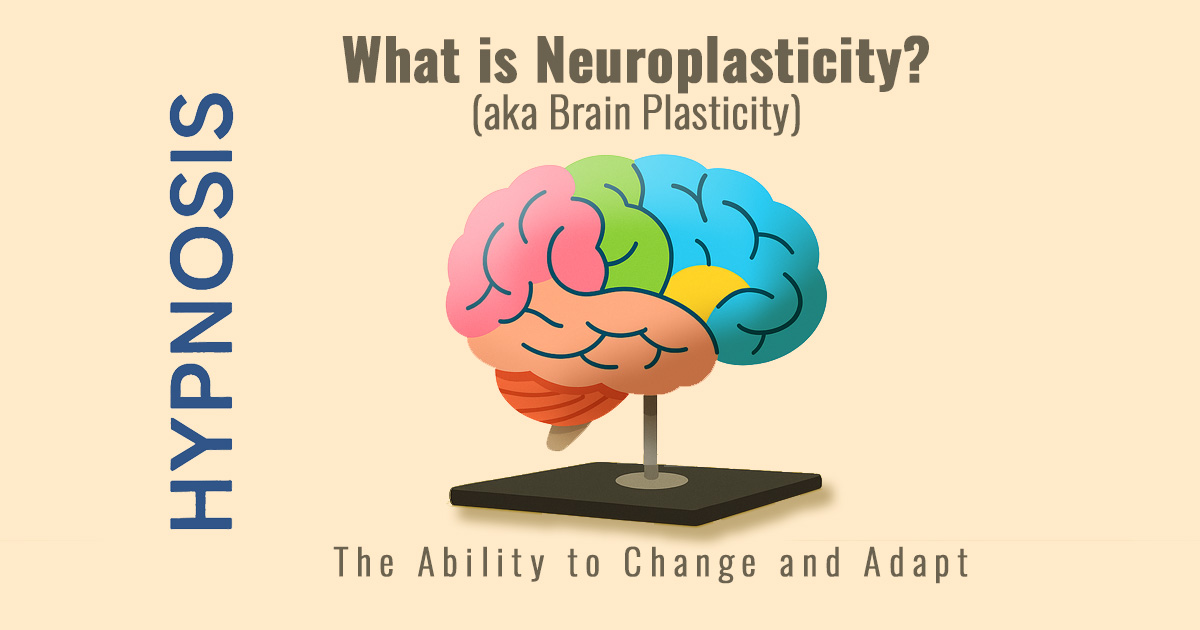
Plasticity in the brain, is the revolutionary concept that the human brain can rewire itself throughout life. Contrary to outdated beliefs that brain development halts in early childhood, researchers now confirm that the brain remains dynamic—constantly reshaped by our actions, thoughts, habits, and experiences (Kolb & Gibb, 2011).
At Joymind, we integrate this powerful concept into our clinical hypnotherapy programs. We believe that hypnotherapy—especially when applied with intention and structure—activates and directs the neuroplasticity of the brain, making it possible to change outdated emotional, cognitive, and behavioral patterns.
This article explores what neuroplasticity means, how hypnosis therapy helps unlock its potential, and what kinds of real-life transformations can occur when old mental programs are updated through trance-based interventions.
What Is Neuroplasticity?
Neuroplasticity, or plasticity and the brain, refers to the brain’s ability to change its structure and function in response to new experiences, learning, memory formation, or recovery from injury (Draganski et al., 2006). There are two key aspects:
Synaptic plasticity: Changes in the strength of connections between neurons.
Structural plasticity: The formation of new pathways and even new neurons.
Brain neuroplasticity explains how individuals recover from strokes, acquire new languages later in life, or release deeply ingrained traumas. Importantly, though neuroplasticity is always occurring, the quality and direction of that change can be intentionally shaped. This is where hypnosis becomes a powerful ally.
How Hypnosis Works
Hypnosis, sometimes misunderstood in popular culture, is in fact a focused, highly relaxed, and receptive mental state. Far from being unconscious, clients are awake but have momentarily softened their critical filters—allowing direct communication with the subconscious mind.
Neuroimaging shows that hypnosis impacts several key brain regions: the anterior cingulate cortex (attention regulation), the default mode network (self-referential thought), and the prefrontal cortex (decision-making and emotional regulation) (Landry, Lifshitz, & Raz, 2017).
At Joymind, our clinical hypnosis method:
Calms the sympathetic nervous system, reducing anxiety and creating emotional safety.
Accesses subconscious memories, revealing core beliefs driving behavior.
Offers therapeutic reframes to support new brain plasticity pathways.
How Hypnosis Rewires the Brain: The Neuroscience Explained
Hypnosis creates a focused state where the brain becomes more open to new patterns. In this state the critical thinking part softens. That lets suggestions reach deeper layers of the mind.
Brain imaging shows clear shifts during hypnosis. Activity drops in the dorsal anterior cingulate cortex. This area usually flags threats and keeps attention scattered. At the same time connections strengthen between the dorsolateral prefrontal cortex and the insula. These links help the brain process body signals and regulate emotion with greater ease.
The default mode network also quietens. This network drives the constant self-talk and mental wandering many people experience. When it settles, space opens for fresh neural pathways to form. Mirror neurons activate as a person imagines new responses. The brain treats those mental rehearsals almost like real practice.
These changes support neuroplasticity. Old emotional loops lose strength while newer, calmer routes grow. People working with certified hypnotherapists often notice this shift as beliefs update from the inside. The process feels natural because it works with the brain’s own ability to adapt.
Scientific Evidence: What Brain Scans Reveal About Hypnosis and Neuroplasticity
Multiple imaging studies map what happens in the brain during hypnosis. Functional MRI and EEG both show consistent patterns.
One clear finding is reduced activity in the salience network. This network decides what deserves attention. When it quiets, external distractions fade and internal focus sharpens. At the same time the executive control network stays active enough to follow supportive suggestions.
EEG recordings often reveal increased theta wave activity. Theta links to deep relaxation and memory processing. These slower rhythms create ideal conditions for synaptic change. Long-term potentiation, the process that strengthens neural connections, appears more efficient in this state.
Connectivity between regions also shifts. The prefrontal cortex communicates more freely with emotional centers. This improved dialogue may support better regulation of fear and mood. The changes are temporary during a single session yet can become more stable with practice.
These brain-level shifts help explain why hypnosis may support lasting pattern change. The evidence points to real biological movement rather than simple relaxation. Certified hypnotherapists use this knowledge to guide each session with precision.
Hypnosis as a Catalyst for Neuroplasticity
Hypnotherapy and brain plasticity are deeply intertwined. When someone is in a hypnotic state, the brain becomes more suggestible and open to change—setting the stage for neuroplastic rewiring.
According to Bargh and Chartrand (1999), the subconscious governs up to 95% of our behavior. Hypnosis provides direct access to this hidden engine room of belief and habit. Under trance, a client may revisit a traumatic memory, reinterpret its meaning, and emotionally rehearse new responses. These new patterns activate mirror neurons and create new neural pathways (Rizzolatti & Craighero, 2004).
For example, a person with performance anxiety might carry an unconscious belief of inadequacy. In hypnosis, that belief is visualized as outdated and replaced with symbols of capability and calm. Over time, this mental rehearsal reinforces a new internal reality—one that becomes behaviorally and emotionally embodied.
How Hypnosis Supports Neuroplasticity for Everyday Stress and Emotional Experiences
Everyday stress and feelings of anxiety leave strong marks on neural circuits. Fear responses fire quickly because the brain has practiced them for a long time. Hypnosis meets these patterns in a calm, focused state and offers new material for the brain to use.
For everyday stress and feelings of anxiety the hypnotic state may lower sympathetic arousal. Breathing slows and the body settles. In that safety the mind can review worry loops without the usual intensity. Guided imagery then helps install calmer reactions. Over repeated sessions those new responses can become more automatic.
Difficult emotional experiences work in a similar way. Memories of challenging events often sit with high emotional charge. In hypnosis a person can revisit the memory from a safe distance. The emotional intensity may soften while the facts stay intact. New meaning can attach to the event. This process is called experience-dependent plasticity. The brain is able to update the memory’s emotional color.
Many people turn to hypnosis when seeking support for lasting stress responses or emotional patterns that feel stuck. The same approach may support those looking to feel calmer around everyday anxiety and stress. Both draw on the brain’s readiness to form fresh connections once the old charge drops.
A structured program over several weeks often gives enough repetition for the new pathways to settle into daily life. The work stays gentle and paced to each person’s comfort.
Reframing: Turning Obstacles into Opportunities
Reframing, a core part of our work, is where hypnotherapy neuroplastic change becomes tangible. Rather than denying or suppressing the past, we help clients reinterpret its meaning through guided imagery, metaphor, and storytelling. In neuroscience, this is called experience-dependent plasticity—the brain physically changes based on what it experiences (or re-experiences) in new ways.
This technique is especially effective for:
Anxiety and depression
PTSD and trauma
Addictions
Public speaking or performance anxiety
Limiting beliefs about self-worth or intimacy
One Joymind client said, “It wasn’t just that I felt better. It was like my memory had a new color—like I could see it with different eyes.” That is brain neuroplasticity in action.
The Joymind Method: Structured Neuroplastic Transformation
At Joymind, our protocol for hypnosis and neuroplasticity has been refined through more than 15,000 sessions. We combine:
Dave Elman inductions to enter deep states rapidly
Ericksonian metaphor to bypass resistance
Cognitive and somatic integration techniques to solidify change
Our 5-phase method:
Awareness – Identifying outdated beliefs and reactions
Relaxation – Establishing nervous system safety
Reimagination – Visualizing new responses and possibilities
Repetition – Reinforcing neural change through practice
Integration – Embodying transformation in daily life
How Long Does It Take to Rewire Your Brain with Hypnosis?
Brain rewiring begins the moment new pathways activate. A single focused session can start the process. The first shifts often feel subtle. A person may notice calmer reactions or clearer thinking within days.
Deeper change builds through repetition. Most people find that consistent sessions over several weeks allow new responses to feel more natural. The exact timeline varies with the age of the old pattern and the intensity of the work.
Simple habit loops may settle faster. Long-standing emotional responses usually need more time for the emotional charge to fully release and for new meaning to take root. Regular practice between sessions strengthens the gains. Sleep, movement, and supportive daily routines also help the brain consolidate the fresh wiring.
The process stays individual. Some notice clear differences early. Others experience gradual unfolding. Either way the brain continues adapting as long as the new patterns receive attention and use.
Benefits of Hypnotherapy-Facilitated Neuroplasticity
Clients who engage in our method often experience:
Decreased anxiety and depression
Greater focus and clarity
Emotional stability and resilience
Relief from trauma and fear-based reactions
Improved sleep and stress management
Motivation, goal clarity, and achievement
Renewed intimacy and relational strength
These benefits are more than psychological—they are evidence of actual rewiring in the brain. It’s the embodiment of hypnosis rewiring brain processes at a cellular and emotional level.
You Can Rewire Your Reality
What is neuroplasticity? It is proof that your brain is not fixed—it’s fluid. And hypnosis is the tool that lets you direct that change consciously. Whether you’re seeking freedom from pain or envisioning a new future, hypnotherapy and brain plasticity offer a pathway to meaningful and measurable transformation.
To begin your personalized neuroplastic transformation, visit the clinical team at Joymind and schedule your consultation today.
References
- Bargh, J. A., & Chartrand, T. L. (1999). The unbearable automaticity of being. American Psychologist, 54(7), 462–479. https://doi.org/10.1037/0003-066X.54.7.462
- Draganski, B., Gaser, C., Busch, V., Schuierer, G., Bogdahn, U., & May, A. (2006). Neuroplasticity: Changes in grey matter induced by training. Nature, 427(6972), 311–312. https://doi.org/10.1038/427311a
- Kolb, B., & Gibb, R. (2011). Brain plasticity and behaviour in the developing brain. https://pmc.ncbi.nlm.nih.gov/articles/PMC3222570/
- Landry, M., Lifshitz, M., & Raz, A. (2017). Brain correlates of hypnosis: A systematic review and meta-analytic exploration. https://doi.org/10.1016/j.neubiorev.2017.02.020
- Rizzolatti, G., & Craighero, L. (2004). The mirror-neuron system. https://pubmed.ncbi.nlm.nih.gov/15217330/
- Joymind Research. (n.d.). Clinical outcomes and session protocols. https://joymind.com/research/
- Verywell Mind. (n.d.). What is brain plasticity? https://www.verywellmind.com/what-is-brain-plasticity-2794886
- Harvard Health. (n.d.). Tips to leverage neuroplasticity. https://www.health.harvard.edu/mind-and-mood/tips-to-leverage-neuroplasticity-to-maintain-cognitive-fitness-as-you-age
- Mayo Clinic Press. (n.d.). The power of neuroplasticity. https://mcpress.mayoclinic.org/healthy-aging/the-power-of-neuroplasticity-how-your-brain-adapts-and-grows-as-you-age/
- Atlassian. (n.d.). Train your brain. https://www.atlassian.com/blog/productivity/neuroplasticity-train-your-brain
- BBC Reel. (n.d.). How to rewire your brain. https://www.bbc.com/reel/video/p098v92g/neuroplasticity-how-to-rewire-your-brain
Frequently Asked Questions
Hypnosis creates a focused and relaxed mental state where the critical filters of the mind soften. This allows suggestions and imagery to reach the subconscious networks that hold automatic habits and emotional responses. During this state the brain shows shifts in attention regulation and self-referential thinking, making it more open to forming new connections. The process supports neuroplasticity by pairing deep calm with targeted mental rehearsal of healthier patterns. Over time those rehearsals may strengthen fresh neural pathways while older ones gradually lose their intensity.
Hypnosis may support this work. Traumatic experiences often leave strong emotional tags on memories that keep the nervous system on high alert. In hypnosis a person can revisit those memories from a place of safety and reinterpret their meaning through guided imagery and reframing. This experience-dependent change may let the brain update the emotional color of the memory without erasing the facts. The same approach appears in work supporting those navigating the aftereffects of difficult emotional experiences and related fear-based reactions. New responses can begin to form as the old charge softens and calmer associations take root.
New neural pathways can grow stronger through repeated activation. When the updated responses are practiced in everyday life the brain may treat them as the preferred routes. Integration into daily routines helps the changes settle and become more automatic. A structured approach over several weeks supplies the consistent reinforcement many people find useful for lasting shifts. The brain continues to adapt as long as the healthier patterns receive attention and use.
Relaxation calms the body and lowers stress arousal. Hypnosis adds focused suggestion, visualization, and emotional rehearsal that actively shape specific neural circuits. The hypnotic state increases suggestibility and opens communication with the subconscious, allowing new beliefs and responses to take hold more readily. This directed process turns the brain’s natural plasticity into a tool for intentional change rather than passive rest. The result is targeted rewiring of thought, feeling, and behavior patterns.
People who feel stuck in everyday stress loops, emotional responses, or limiting self-beliefs often respond well because the work reaches the automatic layers of the mind. Those open to guided imagery and willing to practice new responses between sessions tend to notice the shifts more clearly. The approach may support emotional stability, clearer focus, and renewed relational ease as the brain updates old programs. Matching with certified hypnotherapists helps tailor the process to individual needs and goals.
Read Also
- Hypnosis: How to Reset Your Nervous System & Stop Fight-or-Flight
- How Your Brain Actually Changes: The Science Behind Joymind Hypnosis
- Rewiring Identity: How Hypnotherapy Helps You Rewrite Your Story
- Hypnosis: The Ultimate Software Update for Your Mind
- Reimagining Hypnosis: Healing in an Anxious World
Joymind provides coaching and hypnotherapy support for personal development, habit change, and emotional wellness. Joymind hypnotherapists are not licensed physicians, psychiatrists, or psychologists, and our services are not a substitute for medical or mental-health care. If you are experiencing a medical or mental-health condition, please consult a qualified licensed professional. Individual experiences vary. |