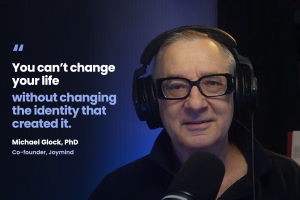
Reviewed by Michael Glock, PhD — Co-Founder, Joymind | Updated April 2026
|
Key Takeaways
|
Many people search for clear answers about supportive approaches for everyday stress and worry because these feelings can feel overwhelming. They want to know if this approach delivers real support for feeling calmer and more in control. Hypnotherapy uses guided relaxation and focused attention to help individuals connect with patterns held in the subconscious mind.
Joymind is a US-based virtual hypnotherapy platform founded in 2021. Our certified hypnotherapists support clients in most US states with personalized 90-day programs.
Research and real-world experiences show that hypnosis can promote deeper relaxation and new perspectives on stress responses. It often works well alongside other wellness practices. People curious about results usually look for evidence on effectiveness, what happens in sessions, and options that fit modern life. Joymind’s research page shares additional context on the science behind these methods. Many individuals exploring supportive tools for greater ease around everyday stress discover meaningful progress through the personalized programs available at Joymind.
What Is Hypnotherapy And How Does It Differ From Other Approaches?
Hypnotherapy guides a person into a state of focused relaxation where the conscious mind steps back and the subconscious becomes more open to helpful suggestions. This state feels similar to deep meditation or the moments just before falling asleep. The person stays aware and in full control at all times. A trained specialist uses gentle language, imagery, and breathing techniques to encourage this natural shift.
Unlike traditional talk approaches that stay mainly in the conscious realm, hypnotherapy reaches the deeper layers where habits, emotional responses, and beliefs often form. Sessions typically last 45 to 60 minutes. They begin with conversation about current experiences, move into relaxation, and end with discussion of insights gained. Many people notice a sense of lightness or clarity afterward.
Virtual hypnotherapy formats remove barriers like travel and scheduling. A quiet room, comfortable seat, and stable connection are usually all that is needed. This setup allows consistent participation, which supports steady progress over time.
How Hypnotherapy May Support Greater Calm Around Everyday Stress Patterns
Everyday stress and worry often involve automatic reactions that feel hard to interrupt through willpower alone. Hypnotherapy helps by creating space to observe these patterns without immediate judgment. In the relaxed state, suggestions can gently reframe how the mind and body respond to triggers. Over repeated sessions, new responses become more natural.
The process frequently includes visualization of calm scenarios, progressive muscle relaxation, and direct or indirect suggestions tailored to the individual. Some specialists draw on conversational styles that use metaphors and natural language. Others incorporate elements that explore root influences from past experiences in a supportive way.
Consistency matters. A structured 90-day framework allows time for reinforcement so changes have a chance to settle into daily life. People often combine sessions with simple self-hypnosis practices between appointments to strengthen the effects. More details on these dynamics appear in Joymind’s guide on how hypnotherapy works with the subconscious mind.
What The Latest Research Reveals About Effectiveness
Multiple studies and meta-analyses have examined hypnosis in the context of everyday stress and worry. Results consistently point to potential benefits, especially when hypnosis forms part of a broader support plan.
A well-known 2019 meta-analysis reviewed multiple trials and found a mean weighted effect size of 0.79 at the end of treatment. This means the average participant receiving hypnosis showed greater improvement than a substantial portion of those in control groups. At longer follow-up, the effect size rose in some analyses, indicating sustained shifts for many participants. The analysis also noted stronger outcomes when hypnosis was combined with other approaches rather than used alone.
Other reviews and observations support these findings. Mayo Clinic describes hypnosis as an effective way to cope with stress and worry, particularly before medical or dental procedures. Cleveland Clinic highlights its low-risk profile and real changes people experience in emotional regulation. Recent meta-analytic work on hypnosis for mental health outcomes shows positive effects across stress applications, with many clinicians rating it highly effective for stress reduction.
Individual results vary based on factors like openness to the process, session consistency, and the skill of the specialist. Hypnotherapy does not claim to eliminate stress or worry entirely. It offers tools that many people find helpful for navigating daily life with greater ease.
What To Expect In A Session And Factors That Influence Results
A typical hypnotherapy session starts with a brief check-in. The specialist learns about current stressors or goals. Then guided relaxation begins, often through breathing or progressive tensing and releasing of muscles. Once a comfortable state is reached, tailored suggestions and imagery are introduced. The session closes with gentle return to full alertness and time to discuss any insights.
Most people describe the experience as pleasant and deeply restful. Some notice immediate shifts in tension levels. Others see gradual changes over several sessions. Responsiveness to hypnosis exists on a spectrum. The majority of people can enter a useful state with practice and a skilled guide.
Factors that tend to support stronger results include:
- Clear personal goals for the sessions
- Regular attendance and follow-through on any between-session practices
- A good match between the individual and the specialist’s style
- Realistic expectations that change builds over time
Virtual hypnotherapy does not appear to reduce effectiveness compared with in-person formats in available research. The convenience often helps people maintain the consistency needed for lasting shifts. Self-hypnosis techniques learned during sessions can extend benefits between appointments.
Discover Joymind
Joymind is a supportive platform dedicated to personal growth, mindset transformation, and emotional well-being.
Founded by Rochelle and Michael, Joymind was created for those who have tried many paths but still feel something is missing. We focus on the power of the subconscious mind to support positive change.
Our Approach
We blend guided hypnotherapy sessions with coaching, neuro-linguistic programming, and principles from positive and depth psychology.
Sessions are personalized and conveniently offered from the comfort of your home.
We match you with a specialist who best fits your needs and personality.
Areas We Support
Our sessions are designed to help you:
- Build healthier habits for weight, sleep, and daily wellness
Our Mission
We are committed to empowering you to unlock your inner strength and create greater peace, joy, and fulfillment in your life.
Ready to start your journey toward positive change?
Frequently Asked Questions
Many people report a sense of calm or lightness after the first or second session. More noticeable changes in how they respond to triggers often build over four to eight sessions. The 90-day framework used by some providers allows time for these shifts to strengthen through repetition and reinforcement.
Available research and virtual hypnotherapy client feedback suggest comparable benefits. The relaxed environment of home can even enhance comfort for some individuals. The key elements, guided relaxation and focused attention, translate well to video sessions when the connection is stable and the space is quiet.
The subconscious holds automatic responses, emotional associations, and beliefs that operate below everyday awareness. Hypnotherapy creates a bridge to these layers so new, more supportive associations can form. This process helps reduce the automatic intensity of certain reactions over time.
Sessions often include progressive relaxation, calming imagery, and suggestions tailored to the person’s experiences. Some specialists use indirect, conversational methods that feel natural and less directive. Between-session self-hypnosis practices are sometimes taught to help maintain momentum.
People who respond well to relaxation practices and feel open to working with the mind’s deeper patterns often see good results. Those seeking a non-invasive complement to other wellness efforts frequently appreciate the approach. Individual hypnotizability varies, yet most people can achieve a useful state with proper guidance.
Read Also
- How Hypnotherapy Works With The Subconscious Mind
- Hypnotherapy: A Pathway to Calmness, Relaxation, and Better Sleep
- Self-Hypnosis Vs Professional Hypnotherapy: How They Compare
- Harnessing the Power of the Mind: How Hypnotherapy Helps You Regain Control
- Unlocking the Mind: How Pavlov’s Legacy and Modern Science Support Hypnotherapy
|
Joymind provides coaching and hypnotherapy support for personal development, habit change, and emotional wellness. Joymind hypnotherapists are not licensed physicians, psychiatrists, or psychologists, and our services are not a substitute for medical or mental-health care. If you are experiencing a medical or mental-health condition, please consult a qualified licensed professional. Individual experiences vary. |